

Exploring the depths of the sea requires not only technical preparation, but also excellent physical health. That is why we want to share an unusual story about a person, who, reached the age of one hundred, continues to travel the world, lecture, drive (without GPS!) and even climbed Half Dome in Yosemite National Park at the age of 80. He is Dr. John Scharffenberg, a professor of nutrition who has been a lifelong vegetarian and a cardiologist.
Dr. Scharfenberg emphasizes that the leading cause of illness and death in all industrialized countries is cardiovascular disease. But he has a stunning message: it is completely preventable with a proper lifestyle, without any drugs. To achieve this, seven main risk factors must be avoided.
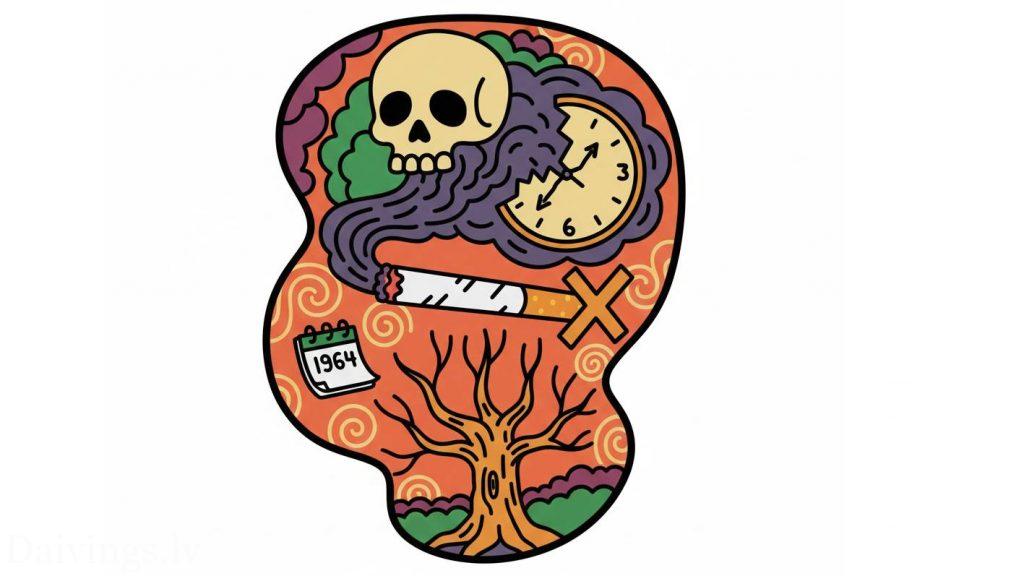
1. Tobacco is the biggest risk to longevity
Ever since 1964, when the US Surgeon General published his report, it has been clear – Smoking should be stopped..
This is a long-known and irrefutable fact. The professor even ironically notes that there are fewer smokers among Alzheimer's patients because they simply do not live long enough to die from it, since they have already died from the effects of smoking. Tobacco is the first and most obvious risk that must be said goodbye to in order to achieve a long and healthy life.
2. Alcohol increases the risks of living a long life
While it was once believed that one glass of wine a day for women or two for men was safe, a comprehensive study covering 195 countries provided a clear answer: The safe dose of alcohol is zero..
Even small amounts of alcohol increase the risk of death from various diseases. Women should especially consider the association of alcohol with an increased risk of breast cancer. The professor's advice is strong and scientifically based: if you want maximum longevity, avoid alcohol completely.

3. Physical activity is mandatory
Exercise every day. Dr. Scharfenberg emphasizes that physical activity is so important that it can even offset other risks.
- Surprising discovery: An obese person who exercises every day will live longer than a normal weight person who ignores exercise.
- A man with health problems: Even a man who smokes suffers from hypertension and high cholesterol, but exercise every day, will live longer than a man without these problems who does not exercise.
Exercise is extremely important and there is no alternative!

4. Weight control and various addictions
Being overweight increases the risk of dying from almost any disease. Today, science increasingly indicates that being overweight may be linked to addiction – both psychological and related to the production of opiates in the body.
The professor calls for distinguishing between these two cases to ensure the right approach to weight management. One of the main keys to weight control is to reduce food intake as you get older and increase physical activity.

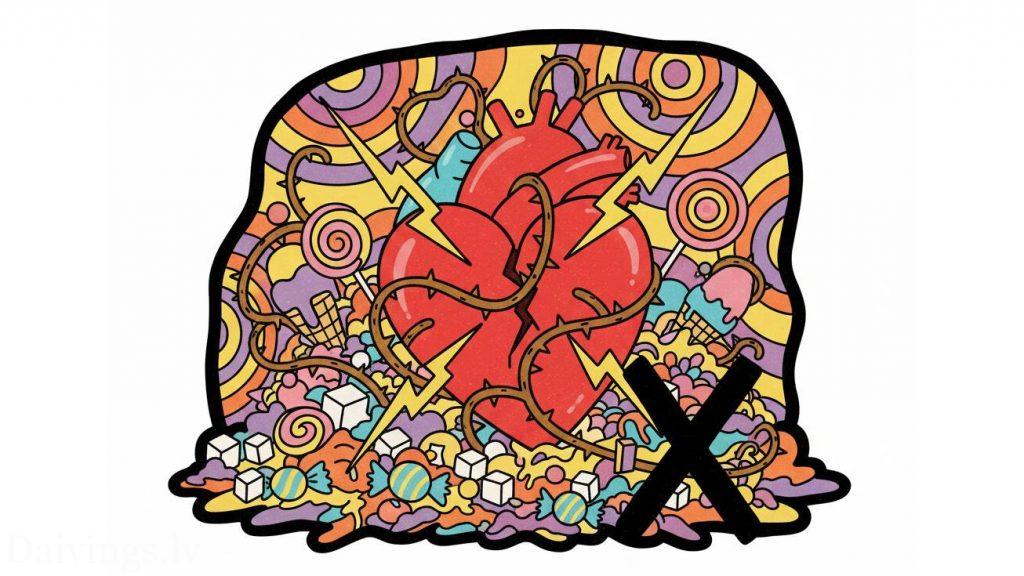
5. Consuming sugar is the enemy of your heart
Excessive sugar consumption has now been officially identified as a risk that increases the risk of heart attack.
The professor illustrates this with a story about a patient who had high cholesterol and triglyceride levels. It turned out that this patient ate a huge portion of ice cream every night before bed, with extra sugar and sweetened whipped cream. Sugar contributes to this increase in lipid levels and is a risk factor for heart health.
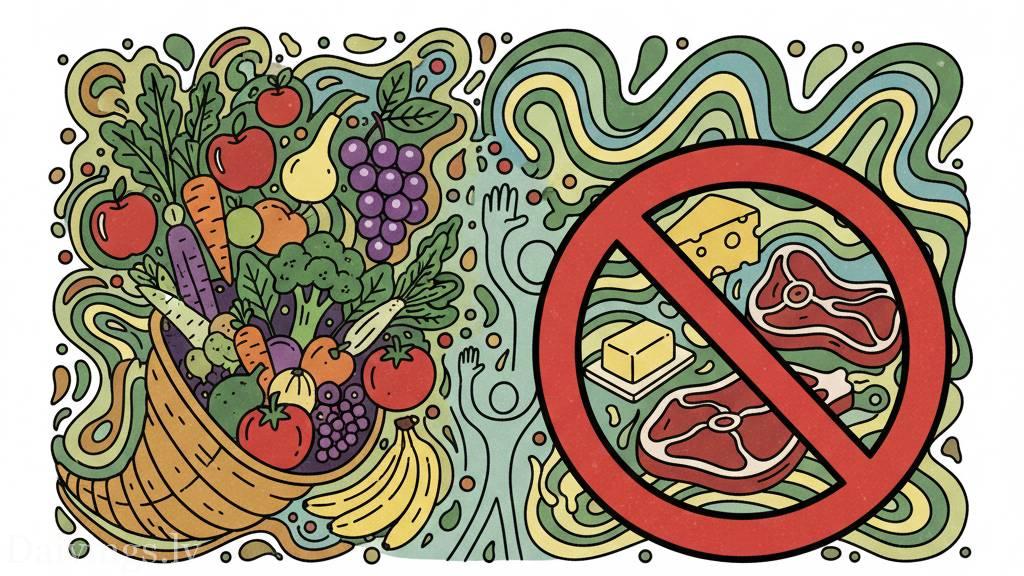
6. Complete exclusion of meat from the diet and the optimal diet
The professor acknowledges that reducing meat consumption is a sensitive issue in society, which is why the World Health Organization's recommendations are formulated gently, but with a solid scientific basis.
Although the official recommendation is to focus on increasing fruit and vegetable consumption, the real goal is reduce saturated fat intake, which are mostly animal (meat) and dairy (butter, full-fat dairy products) fats.
- Saturated fat should not exceed 5–6% of the total calorie intake.
- Practical advice: Use only fat-free or 1% dairy products. Get rid of pork fat, lard, and other animal fats.
7. Lifestyle extension is achievable for everyone
Following these seven principles yields stunning results:
- Heart attack risk: Decreases by 80%.
- Risk of first stroke: Decreases by 80%.
- Diabetes risk: Decreases by 88%.
These data are not just the professor's personal opinion - they are agreed with by the World Health Organization, the American Heart Association and the European Society of Cardiology. We no longer have to wait for a doctor to recommend the right diet for us. We already know what to do to avoid cardiovascular disasters.
Lifestyle change requires commitment.
Professor Scharfenberg says the biggest challenge now is getting people to actually do what they know they should do. Lifestyle changes require commitment, but the rewards are unbeatable: a healthy and long life that allows you to fly to Madagascar and drive a car at the age of one hundred.
Make a decision today and start living right!
Professor's diet and physical activity requirements after age 40
Dr. John Scharfenberg provides specific recommendations that are especially important for people who have reached middle age (40-70 years old):
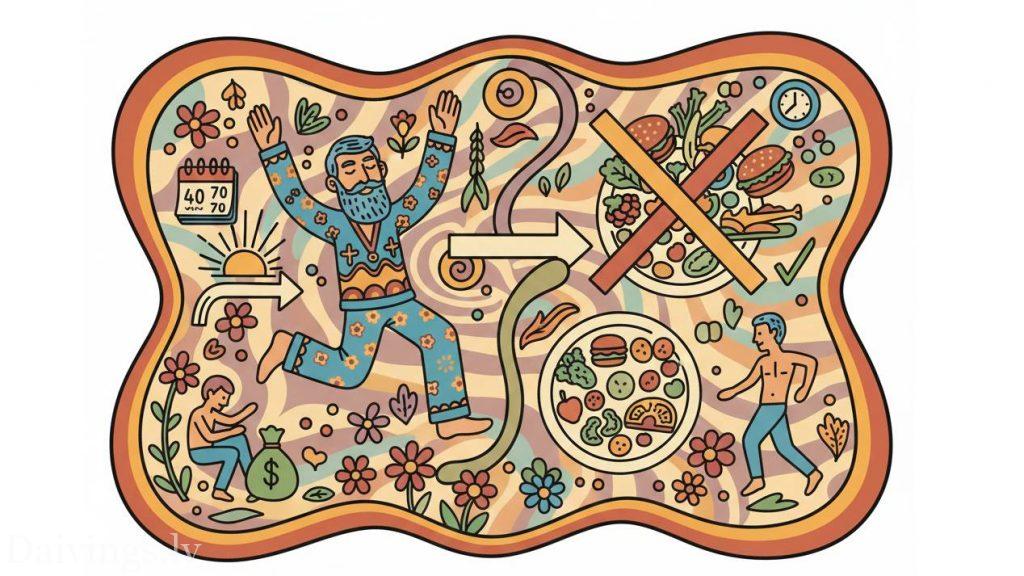
- Mandatory Physical activity in middle age: In the period from 40 to 70 years, exercise is most importantPeople often start to relax at this age, making more money, exercising less, and eating more. Scharfenberg's advice is the exact opposite:
- Exercise more, getting older.
- Calorie reduction:
- Eat less, getting older.
- Optimal nutrition: U.S. government medical scientists determined that The optimal diet is a vegetarian diet..
- Strict restriction of saturated fats: Animal and dairy fats should be excluded, ensuring that saturated fats do not exceed 5–6% of the total calories.
- Elimination and complete restriction of sugar and alcohol: Sugar, which directly increases the risk of heart attack, and alcohol should be avoided, as there is no safe level of consumption.
The article was based on Dr. Scharfenberg's video, https://www.youtube.com/watch?v=RGy3jhiPqD0


