
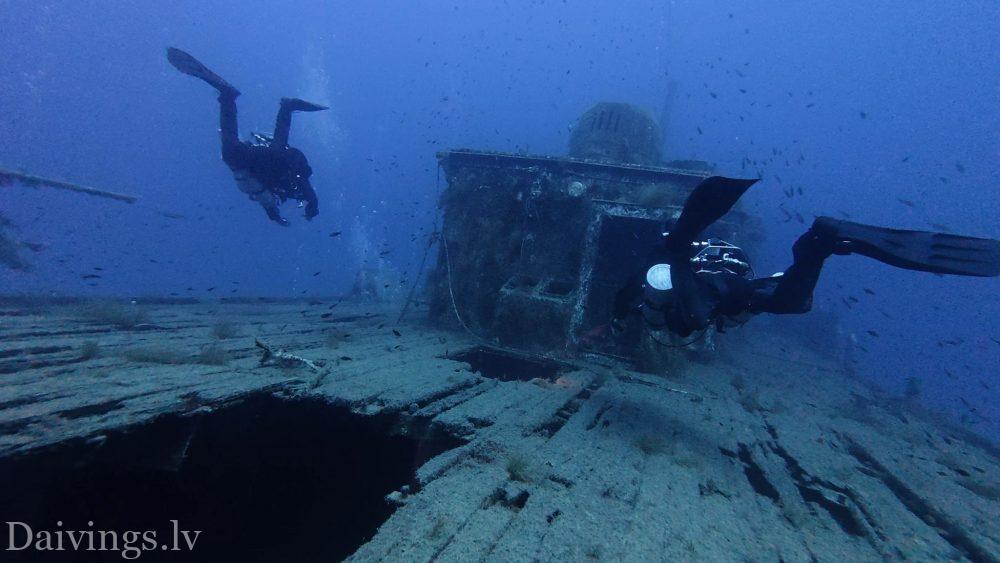
The island of Gozo is a Mediterranean gem for divers
From 23.10., “Diving Club” a group of divers led by an experienced PADI Master Scuba Diver Trainer (MSDT) Valters Preimanis, went on an exciting expedition to the island of Gozo in Malta. Gozo is known for its crystal clear waters, impressive caves and rich underwater history, making it an ideal training ground for specialized courses. The purpose of the trip was not just relaxation, but also an ambitious educational plan: to obtain PADI Deep Diver, PADI Archaeology Diver and PADI Wreck Diver certifications.
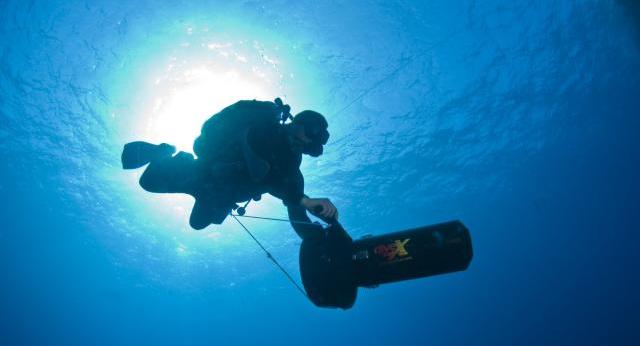
Deep diving with Padi deep diver training
PADI Deep Diver The course was an integral part of the trip, providing divers with the necessary technical knowledge and practical skills for safe diving at depths of 18 meters (60 feet) to 40 meters (130 feet).
Key elements to be learned:
- Decompression Judgment Making: Detailed dive planning, air consumption calculation (SAC rate), and air reserve management, especially considering the minimum reserve in case of air shortage.
- Nitrogen narcosis: Recognition, prevention and action. Explained PADI Deep Diver limit – 40 meters – the deeper you go, the greater the risk of nitrogen narcosis and oxygen toxicity (when using air as a breathing mixture).
- Safety procedures: Using a rope from the boat and from the shore, as well as the critical 5-meter safety stop protocol for diving above 30 meters.
- Practical tasks: Diving sites such as MV Karwela wreck or Birkirkara Reef, were used to accurately perform tasks at ranges of 30–40 meters, such as color perception tests and time/depth control.
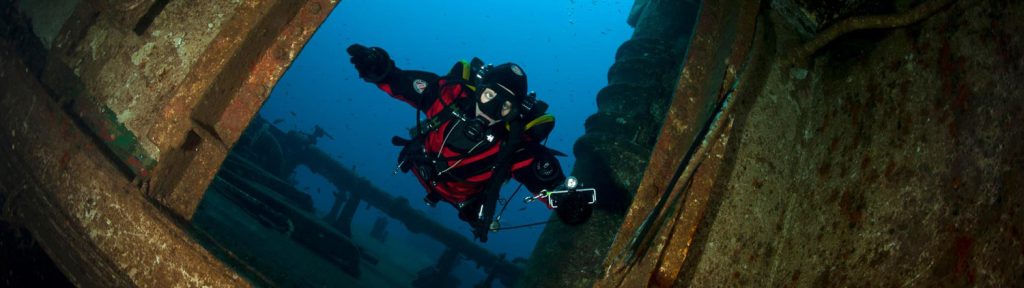
Visiting silent witnesses on the Padi Wreck diver course
The wrecks hold both technical challenges and historical fascination. PADI Wreck Diver The certification focused on safe wreck exploration. Gozo's wealth of wrecks, especially the shipwrecks off the coast, provided an excellent learning environment.
Technical and safety aspects:
- Risk assessment: Assessment of the wreck's condition, structural integrity and hazardous areas (e.g. sharp objects, collapsed sections).
- Rope and reel systems: Teachings about right primary line laying and separate exploration reels use to ensure safe orientation and exit from confined spaces. They were used "Touch Contact" and "Gap" protocols in conditions of limited visibility.
- Buoyancy control (Trim): Achieving the highest level of neutrality to prevent silting and damage to the wreck. Wreck diving often requires perfect horizontal trim.
- Penetration Dives: Wreck diving techniques were practiced on Gozo's well-known wrecks, such as: MV Cominoland and MV Xlendi, which may only be explored after obtaining appropriate certification.
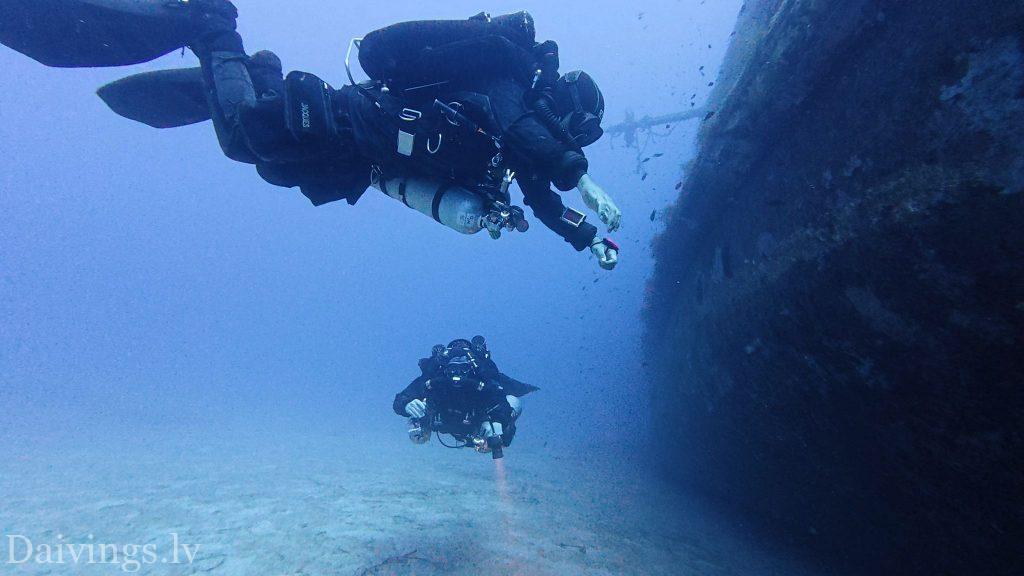
Deciphering history is possible with the Padi Archaeology scuba diving course
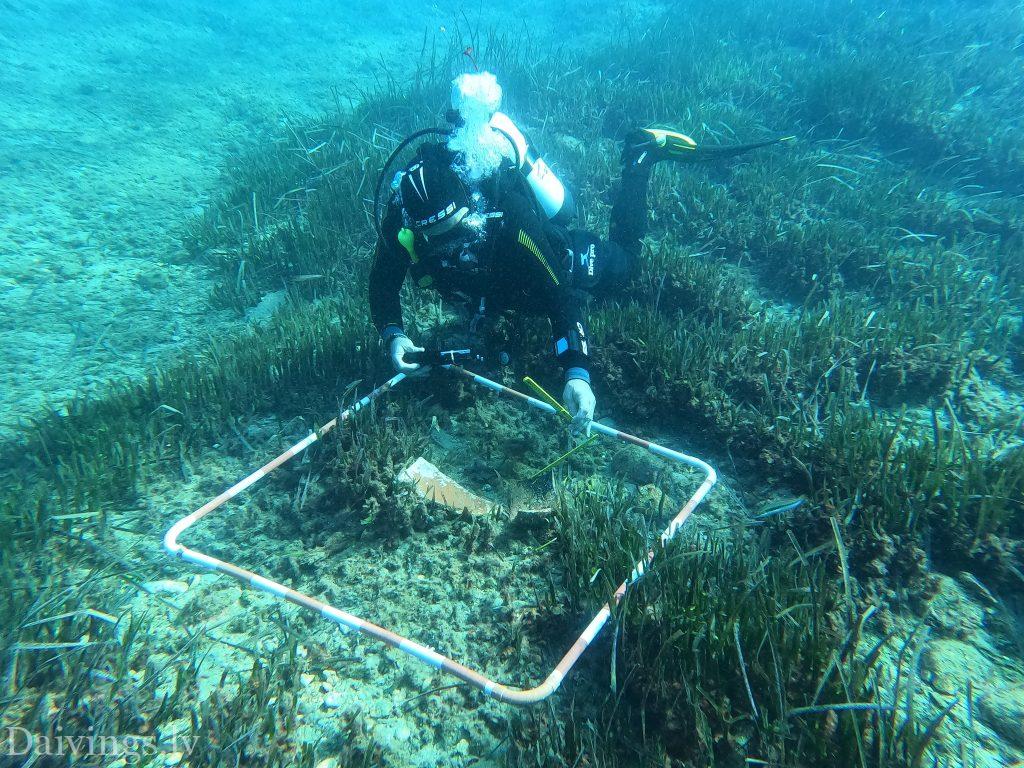
This one Padi Archaeology The course expanded the role of divers, turning them into underwater history detectives. It's not just about diving, it's about acquiring and preserving information.
Methodology and documentation:
- Site Survey: Use of standardized forms to describe the location, depth, substrate, and artifacts of an archaeological site.
- Photo and video documentation: Usage techniques scale bar and north arrow for inclusion in visual material to ensure accurate documentation of the location and size of artifacts.
- Ethical requirements for divers: Emphasis on the principle of “Take only pictures, leave only bubbles” to ensure in-situ conservation (preservation in situ).
Further knowledge in the scuba diving course is measurements and equipment
Success on the island of Gozo, in the Vidiusjärvi, was ensured not only by the instructor's guidance, but also by a strict approach to equipment configuration and technical procedures.
Technically important points:
- Nitrox (EANx) application: During deep diving, Nitrox with an increased oxygen content was used (e.g. EANx32 or EANx36) to reduce nitrogen retention in the body and prolong no-decompression time (NDL), while strictly respecting the maximum the limit of oxygen partial pressure (pO2), which is usually $1.4$ atm.
- Ensuring redundancy: Wreck and deep dives were emphasized air redundancy (additional second first stage regulators, double bottles or a separate pony cylinder) and the importance of light source redundancy (primary light + 2 backup lights).
- Task Loading: Reduction through clearly defined dive team roles and pre-prepared checklists.
Lessons learned from the trip and next steps
The Gozo expedition was a huge success for the daivings.lv divers. All participants who registered for the course successfully completed the requirements and returned home with three new and prestigious PADI certifications: Deep Diver, Archeology Diver and Wreck DiverThese certifications open the door to more technically challenging and historically rich dive sites around the world.
This trip not only enhanced the group's technical expertise, but also solidified daivings.lv as a leading diver education center capable of providing the highest level of training.
Recommendations for future scuba diving skills
To make the most of the knowledge and certifications gained on your next dive trip, daivings.lv scuba divers are advised to focus on:
- Deep wreck exploration: Use Deep Diver and Wreck Diver combined skills to go to destinations where historical wrecks are available, located at a depth of 30-40 meters, such as:
- Red Sea (Egypt): Legendary Thistlegorm a wreck that requires precise depth planning and techniques for exploring the interior of the wreck.
- Malta Deep Wrecks (USA): Deep, specially sunk ships and artificial reefs.
- Making an archaeological contribution: Pay attention to regions with a long maritime history (such as Greece, Cyprus or the Mediterranean Sea in general). Even if the specific dive site is not an official archaeological site, you can use Archaeology Diver skills to:
- Observed and documented unknown artifacts or structures by accurately determining their coordinates and performing spatial measurements.
- Adhere to strict nature conservation protocol, without moving or removing objects, but rather creating an accurate inventory for further reporting.
These scuba diving specializations The combination will allow participants to not only enjoy new and challenging dives, but also make a significant contribution to the preservation of underwater history.


