
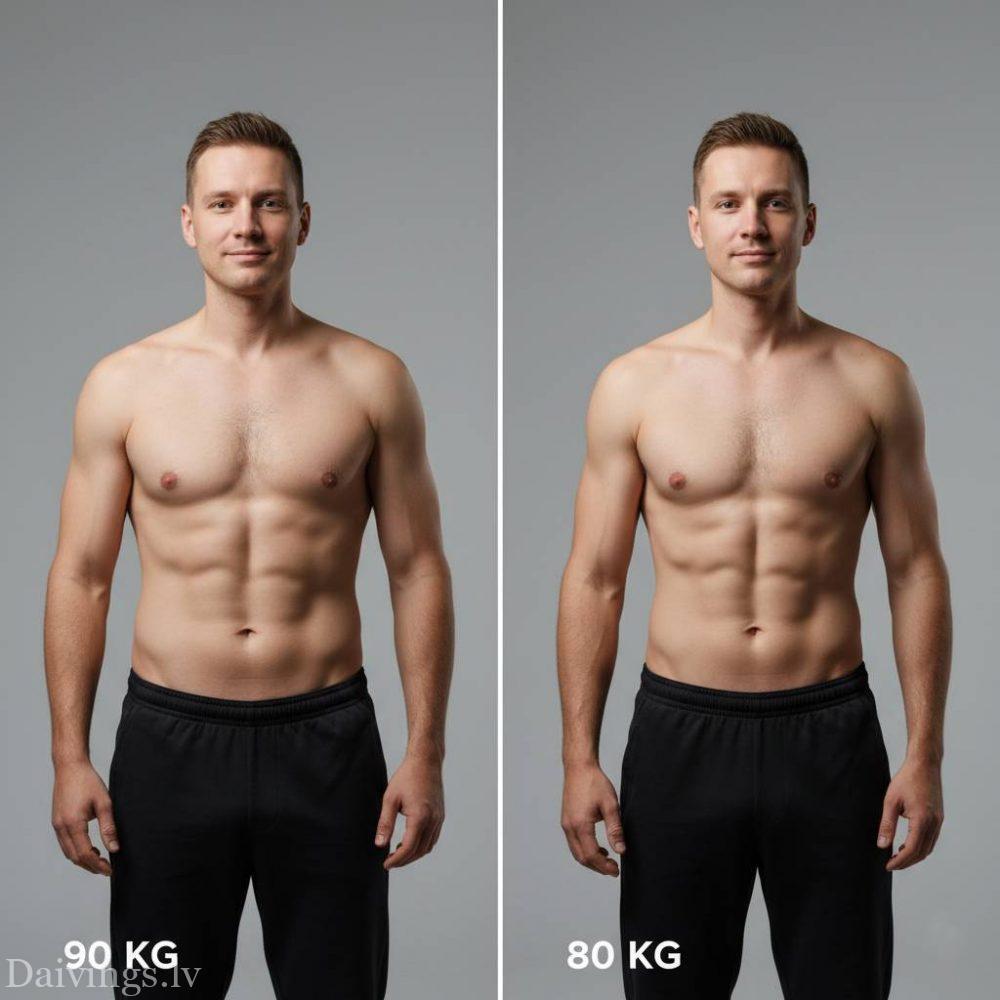
Many of us who are involved in water sports and diving are constantly looking for ways to optimize our physical and mental health. In recent years intermittent fasting (IF) has become a popular tool for weight management, improving metabolism, and activating autophagy (cell self-cleaning). However, if you are an active person or preparing for a diving expedition, it is essential to know how to maintain your body's balance and energy reserves.
This article provides a comprehensive overview of supplements that can help support your body during the fasting period to ensure safe and effective progress.
1. Why are nutritional supplements important during fasting?
Intermittent fasting most often involves complete or partial restriction of food for a certain period of time (such as the popular 16:8 regime). Although calorie intake during this time is zero or minimal, metabolic processes in the body continue to be active - which is exactly what we want.
The main challenge: At the beginning of fasting, the body reduces insulin levels, which in turn causes the kidneys to excrete sodium and other minerals more rapidly. This can lead to:
- Dehydration: The body loses more water and salts.
- Electrolyte imbalance: The cause of common symptoms of the “keto flu” – headaches, fatigue, dizziness and muscle cramps. For divers, it can also affect concentration and safety.
- Vitamin and mineral deficiencies: If a sufficiently balanced diet is not consumed during the eating window, a deficiency of certain micronutrients may occur.
2. Satisfactory fasting support: Electrolytes (must-have)
Electrolytes are the most essential nutritional supplements during fasting, especially if you practice fasting for longer than 16 hours or perform intense physical activities (such as diving, which is physical exertion in itself).
| Electrolyte | Role during fasting | How to take during fasting |
| Sodium (Salt) | Ensures fluid balance, maintains blood pressure, and is important for nerve and muscle function. | A small pinch of sea salt in a glass of water, in the form of broth (calorie-free). |
| Potassium | Essential for heart health, cell membrane function and helps relieve muscle cramps. | Powdered supplements with no calories/sweeteners; can be added to water (do not exceed recommended dosage). |
| Magnesium | Participates in hundreds of biochemical reactions, helps fight fatigue and improves sleep quality. | Capsules or powder. Recommended to be taken in the evening as it can promote relaxation. |
Attention: Never consume sports drinks that contain sugar, as they will break the fasting state! pure electrolyte powders or salt alternatives.
3. Vitamins and other support products
Some vitamins and other compounds can be taken during fasting because they contain no calories and do not cause an insulin response.
Water-soluble vitamins
- Vitamin B complex: These vitamins are vital for energy production and metabolism. They can help maintain energy levels and reduce fatigue during fasting. They can be taken with water.
- Vitamin C: An antioxidant that supports the immune system. It can also be used during fasting.
Other nutrients
- Creatine: This is a calorie-free compound that can improve muscle strength and performance. It does not affect insulin levels and is safe to use during fasting. It can help maintain muscle strength in active people, including divers.
- Pure black coffee/tea: While not technically supplements, they are essential support drinks. They contain caffeine, which can suppress appetite, improve focus, and aid in the fat-burning process.
4. Fortifiers that are better to use during the eating window
There are certain supplements that may technically contain minimal calories or require fat for optimal absorption. These are recommended to be taken during your eating period (when you “break” your fast):
- Fat-soluble vitamins (A, D, E, K): These vitamins require fat (which contains calories) to be fully absorbed in the intestinal tract. Take them with your first full meal.
- Omega-3 fatty acids (Fish oil): They are fat and contain calories, so they will break your fast. Take them with food. Omega-3s are important for brain health and reducing inflammation, which is especially important for divers.
- Probiotics/Prebiotics: Although some capsules are calorie-free, probiotics are best absorbed with a small amount of food. If your eating window is short, include them in it.
5. What should NOT be consumed during fasting?
To maintain the benefits of fasting (such as ketosis and autophagy), avoid anything that stimulates insulin release.
- BCAAs and Protein Powders: Amino acids (especially leucine) and protein will interrupt the autophagy process and trigger an insulin response. They are intended to be consumed during the post-workout eating window.
- Gummy or Chewable Vitamin Forms: They usually contain sugar, which will break the fast.
- Flavored drinks with sweeteners: Even though they are calorie-free, some artificial sweeteners (like sucralose) can cause a small insulin response or increase sugar cravings. Stick to plain water, black coffee, or tea.
⚠️ Special note for divers
Diving is an activity that requires optimal physical and mental condition. Electrolyte depletion and dehydration can significantly affect your ability to concentrate, react properly, and maintain thermoregulation underwater.
- Before diving: Make sure you are fully hydrated. If you are fasting, take extra electrolytes. Dehydration increases the risk of decompression sickness (DCS), although a direct scientific link between intermittent fasting and DCS has not been fully proven.
- Energy: Avoid long, intense dives during prolonged fasting (more than 24 hours) as energy levels may be low, which can be a safety hazard.
- Consultation: Again, consult your doctor and, if possible, a diving medical professional before starting a fast. Your health and safety underwater comes first!
Conclusion: Properly selected nutritional supplements, mainly electrolytes, are your best ally during fasting. They will help reduce discomfort and maintain optimal body function, allowing you to benefit from the fasting process without compromising your active lifestyle.


