
Underwater magnetometer surveying, or underwater magnetometry, is a method used to detect and map underwater ferromagnetic objects based on the magnetic anomalies they produce. The company'sDronelab"Experts say about this device - A magnetometer is an instrument that measures the intensity of a magnetic field.When such an instrument is placed in water and moved over a certain area, it records changes in the Earth's magnetic field caused by nearby metal objects.
How does a magnetometer work?
- Magnetic field measurement: A magnetometer measures the total magnetic field or its individual components. Magnetometers used in water must be waterproof and capable of operating at a certain depth.
- Anomaly detection: Ferromagnetic materials (such as iron and steel) cause local changes in the Earth's magnetic field. A magnetometer records these changes as anomalies.
- Data recording and processing: The measurement data is recorded and later processed to create magnetic anomaly maps. These maps visualize the locations of underwater objects and the strength of the magnetic influence they produce.
- Interpretation: By analyzing magnetic anomalies, specialists can determine the possible location, size, shape, and depth of underwater objects.
Application of magnetometry
Magnetometry in water is used in various fields:
- Archaeology: In underwater archaeological excavations to uncover sunken ships, anchors, weapons, and other artifacts.
- Geology: In geological studies of sea and lake beds to map underwater structures and detect magnetic rock formations.
- Military application: Searching for unexploded ordnance (UXO) and other dangerous metal objects.
- Engineering and infrastructure: In the detection and inspection of underwater cables and pipelines.
- Environmental studies: Identifying sources of pollution (e.g. metal waste).
- Search and rescue: Finding sunken vehicles and other large metal objects.
Advantages of using a magnetometer
- Contactless method: No direct contact with the object under study is required.
- Fast area coverage: Large areas of water can be surveyed quickly.
- Ability to detect buried objects: Magnetometers can detect objects that are covered with sediment.
- Relatively economical method: Compared to some other underwater survey methods.
Limitations when working with a magnetometer
- Sensitivity only to ferromagnetic materials: Cannot detect non-metallic objects.
- Impact from ambient magnetic interference: Power lines, metal structures, and other sources can cause interference.
- Data interpretation complexity: Accurate identification and characterization of objects requires experience and knowledge.
- Influence of water depth and sediment: Greater depth and thicker sediment layers can weaken the magnetic signal.
Despite its limitations, underwater magnetometer surveying is a valuable and widely used method in various underwater research and operations.
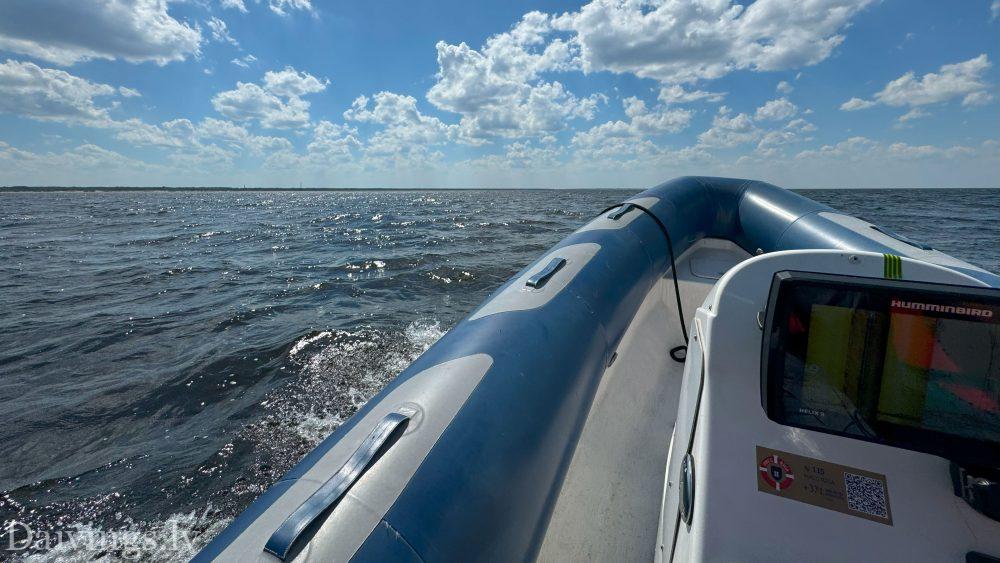
Latvian company Ltd. Dronelab offers high-quality underwater magnetometry services both in inland waters – lakes, rivers and reservoirs – and in the Baltic Sea.
The company has modern and specialized equipment, as well as experienced specialists, who provide accurate and detailed magnetic measurements for the detection and mapping of various types of underwater objects and anomalies.
Dronelab provides an individual approach to each project, adapting survey methodology and data analysis to the client's specific needs and goals.


