
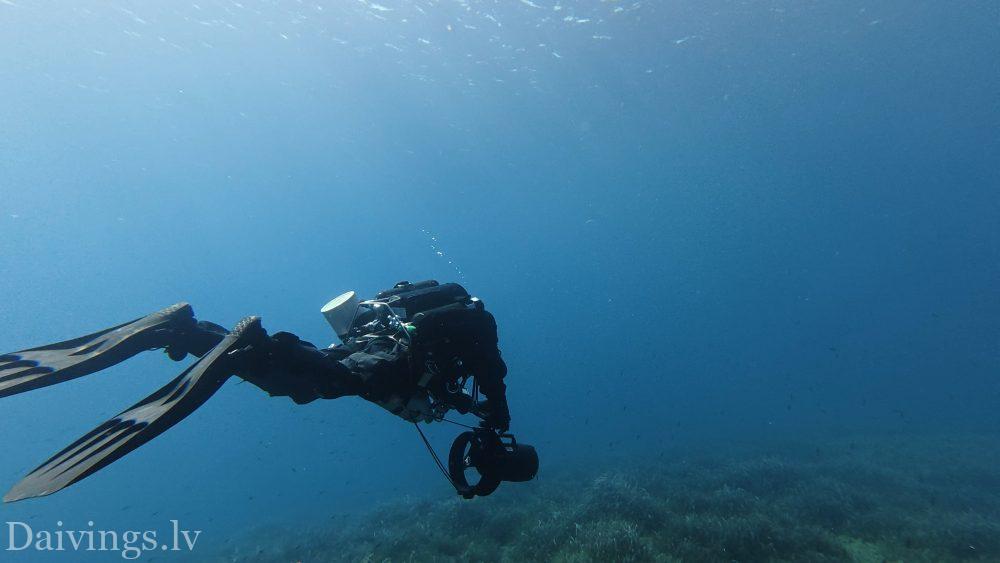
Solo diving is a path to mastery and self-sufficiency
Have you ever dreamed of diving without having to adjust to your buddy's air consumption, swimming pace or photography passion? Solo diving is no longer the "forbidden fruit" - today it is one of the most sought-after courses among experienced divers. In this article, we will take a look at what it really means to become certified SDI Solo Diver.
Part 1: Myths and Reality – Why Dive Alone at All?
For decades, the undisputed rule in diving training has been: “Never dive alone.” But the reality is that many divers – whether underwater photographers, instructors, or seasoned travelers – often find themselves in a situation where they are de facto diving alone, even when a buddy is nearby.
The Solo Diver course does not encourage you to abandon the buddy system. Its goal is to teach the diver to be self-sufficient. This means that you are able to solve any problem underwater independently. Many choose this course to become better companions – if you can take care of yourself for all 100%, you become a much safer companion for others.
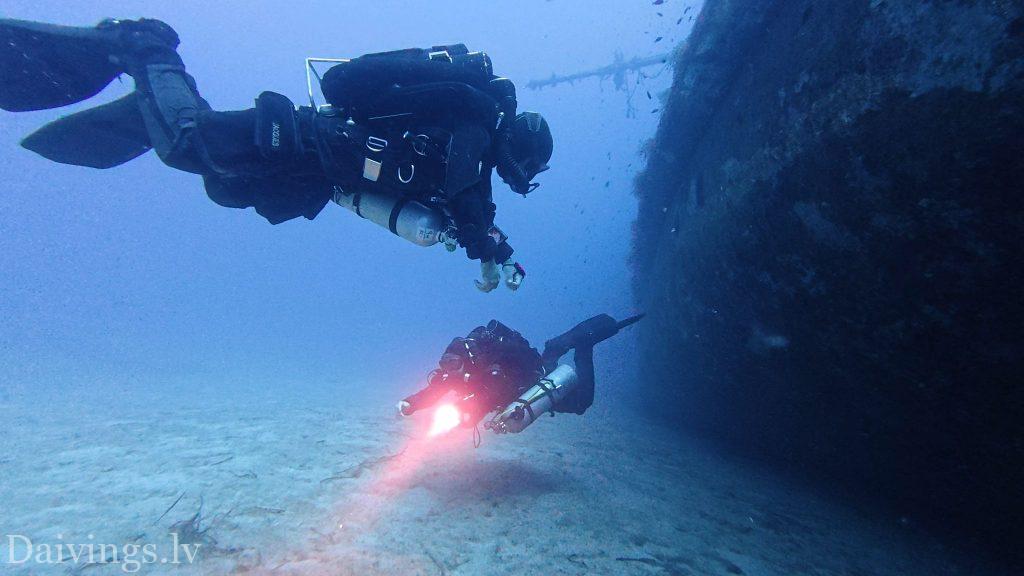
Part 2: Psychological preparedness and “Stop, Think, Act”
The biggest challenge in solo diving is not technique, but mind. There is no one underwater to “tap you on the shoulder” or calm you down in a moment of panic.
The course emphasizes three fundamental pillars:
- Identifying your comfort zone: A solo diver must not exceed his/her abilities. If anxiety is felt before the dive, the dive is canceled.
- Panic deconditioning: Through deep breathing techniques and mental training, a diver learns to transform an emotional reaction into logical action.
- Decision making: The basic rule in solo diving is Stop, Think, Act (Stop, Think, Act). This prevents the immediate, often dangerous reaction of an uncontrolled escape to the surface.
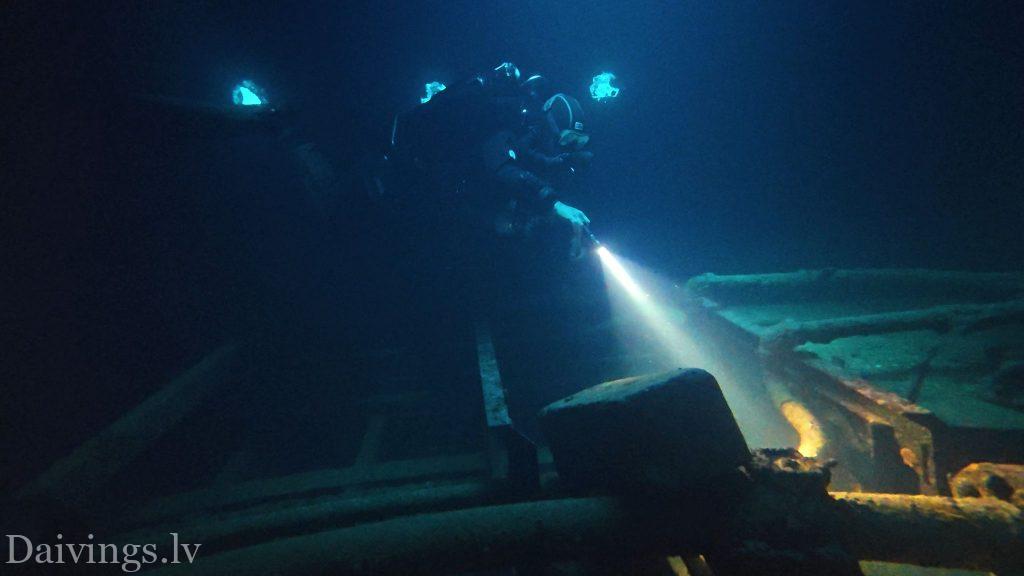
Part 3: Gas Planning, Pressure Gauge (SPG) Becomes “Approval”
A solo diver doesn't think of gas reserves as "let's see how much is left." This is where math comes into play and SAC (Surface Air Consumption) indicator.
Before each dive, a solo diver has a mental record of how much gas he should have after 10, 20, or 30 minutes. In this case, the pressure gauge (SPG) serves only as a confirmation of what you already know.
“Rule of Thirds” is the gold standard for solo diving:
- One third of the way forward;
- One third for the return trip;
- One third – the inviolable reserve for emergencies.
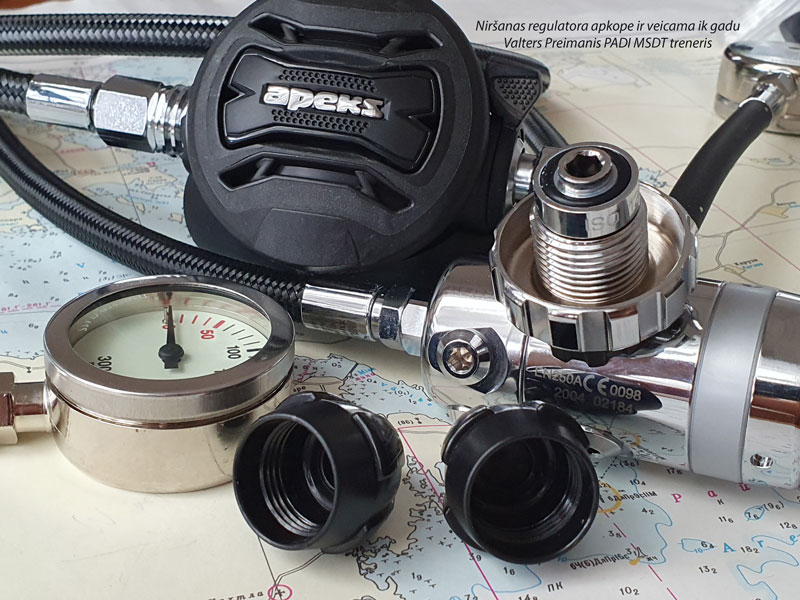
Part 4: Backing up your equipment is important
The equipment of a solo diver varies with redundancy or backup. If something breaks, you have to have a plan B.
Main modifications:
- Independent gas source: Most often it is Pony bottle (a small, independent cylinder system with its own regulator and pressure gauge). It is not intended for diving, but for safe ascent to the surface in the event of a catastrophic failure of the main gas source.
- Navigation: Two compasses or strong orienteering skills using a reel and buoy (SMB) are required.
- Cutting tools: At least two within reach of either hand.
- Alarm: Both visual (SMB) and audible (whistle or air horn) to announce yourself to the boat after surfacing.
Part 5: How to become an SDI Solo Diver in Latvia?
The Solo Diver course is designed for experienced divers. To apply, you usually need:
- At least 21 years of age;
- SDI Advanced Adventure (or equivalent) certificate;
- At least 100 registered lobes.
The course includes both theory on gas management and psychology, as well as practical exercises in the water, which simulate various failures: regulator failure, loss of mask, BCD rupture, and orientation without visibility.
Conclusion: Solo diving is not about loneliness, it's about freedom and responsibilityIt is the highest level of mastery in recreational diving, providing peace of mind and confidence in any underwater situation.
Want to improve your skills and learn more about the Solo Diver course in Latvia? Contact your instructor or write to us here on the daivings.lv forum!
“Hello, colleagues and underwater enthusiasts!
Over the years, while conducting training and exploring wrecks in the Baltic Sea, I have heard countless discussions about whether diving alone is recklessness or aerobatics. As an instructor, I will tell you straight: Solo diving is not about ignoring the 'buddy system'. It's about being maximally prepared.
We all know situations when your underwater buddy 'disappears' around the corner of the next wreck or gets carried away taking photos, and at that moment you are already a solo diver, regardless of what is written in the plan. The only difference is whether you are ready for it.
SDI Solo Diver The course is, in my opinion, one of the most valuable steps in any diver's development. It completely changes the way you think. Here we no longer rely on 'someone to give us a breather' if something goes wrong. We rely on our own knowledge, accurate gas calculations and duplicate equipment.
This course is designed for those who want to achieve a level of peace and confidence where the equipment doesn't control the diver, but the diver is in complete control of the situation. If you have some experience (at least 100 dives) and want to take your safety to the next level, this article will help you understand the philosophy and technical side of solo diving.
See you underwater – this time maybe everyone at their own pace, but with a complete sense of safety!
— Valters Preimanis, SDI/TDI instructor


