
Author: Sebastien Willem
Introduction: Discovering a New World
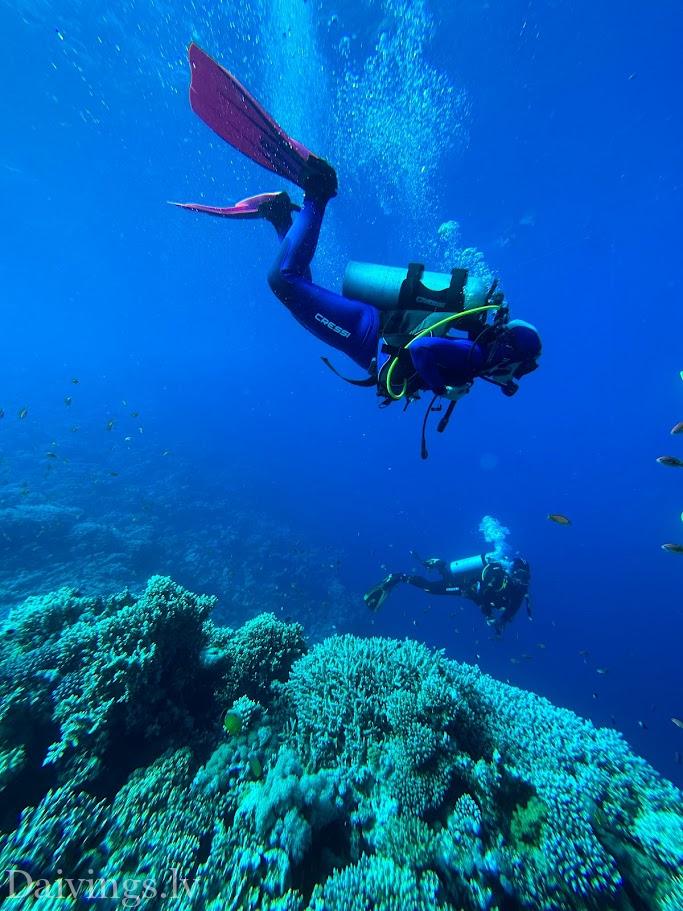
I was born in 1979 and discovered diving at the age of 18. At that time, I was driven by curiosity and a thirst for adventure, but I had no idea how much this underwater world would change my life. At that time, I started working as a firefighter and paramedic, facing situations that most people only see in nightmares. Alarms, fires, accidents – these became my everyday life. However, in this chaos, I found an unusual refuge: diving.
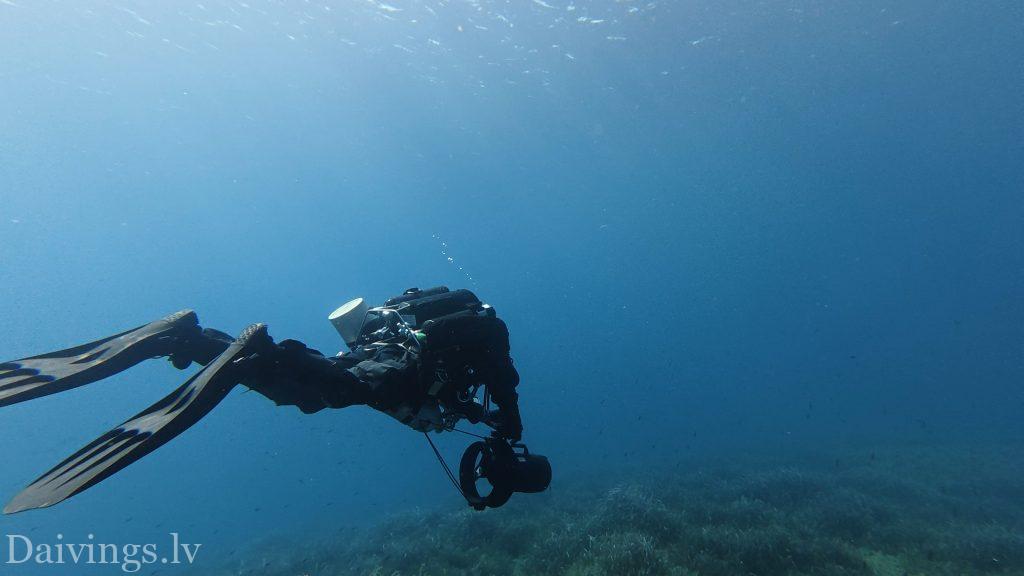
From the first breath I took underwater, I felt a peace I had never experienced on land. The silence, the gentle pressure of the water, and the weightlessness were liberating. The world above the water seemed to fade away, leaving only me, my breath, and the vast ocean.
Over the years, I realized that diving was not just a personal escape. I noticed how it affected my fellow police officers and rescue workers who were struggling with invisible traumas: post-traumatic stress disorder (PTSD), anxiety, and constant vigilance. As I led them underwater, I saw their tense shoulders relax and their childlike joy return to their eyes.
1. The underwater world as a sanctuary
The noise beneath the water is replaced by rhythmic breathing. For someone accustomed to sirens and screams, this silence is transformative.
- Silence that speaks: It allows the mind to simply exist without pressure.
- Weightless freedom: Neutral buoyancy removes physical and emotional heaviness. Colleagues with PTSD often describe it as the moment when the burden of the trauma finally “lifts” off their shoulders.
- Breath as a lifeline: Underwater, every breath is conscious. It is a natural meditation that calms the nervous system.
2. Diving as an ally for operational personnel
We are used to unpredictable situations. Diving, on the other hand, offers structure and control.
- Planning and precision: Everything happens according to procedure – examination, plan, communication with the partner. This gives a sense of security.
- Mastery Recovery: Trauma often leaves a person feeling powerless. Learning to manage their equipment and buoyancy helps them regain their self-confidence.

3. Psychological benefits
Diving is based on the principles used in therapy:
- Here and now: The mind is focused on the present moment, not on past traumas.
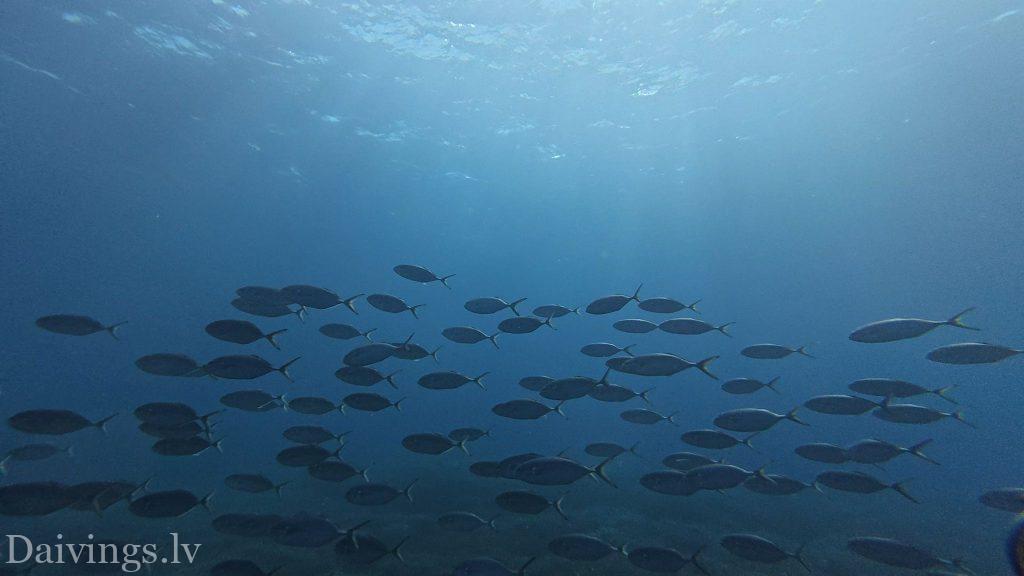
- Positive emotions: Meeting sea creatures and the beautiful underwater landscape teaches us to be happy again.
- Spiritual rest: Immersion provides a break from intrusive thoughts.
Recommendations for instructors and members
Diving is not a substitute for medication or therapy, but it is a powerful tool. To help people with anxiety, we use:
- Adjust the pace: No rush.
- Repetition: Honing skills to the point of automaticity increases safety.
- Community: The peer system helps overcome the isolation caused by trauma.
Important: People with serious conditions should consult a doctor before diving. The instructor should create an environment in which the diver feels safe, not act as a therapist.
Conclusion: One Breath at a Time
Diving is an adventure and self-reflection at the same time. It teaches humility and resilience. For people who face chaos in their daily lives, the ocean offers:
- ✨ The moment when the noise stops.
- ✨ The ability to simply breathe.
- ✨ I feel like you're truly alive.
Peace is possible even after the greatest chaos – one dive at a time.
Do you want to learn more about how to start diving training in Latvia or find the right PADI instructor for your first lessons? Valters Preimanis, PADI MSDT


