
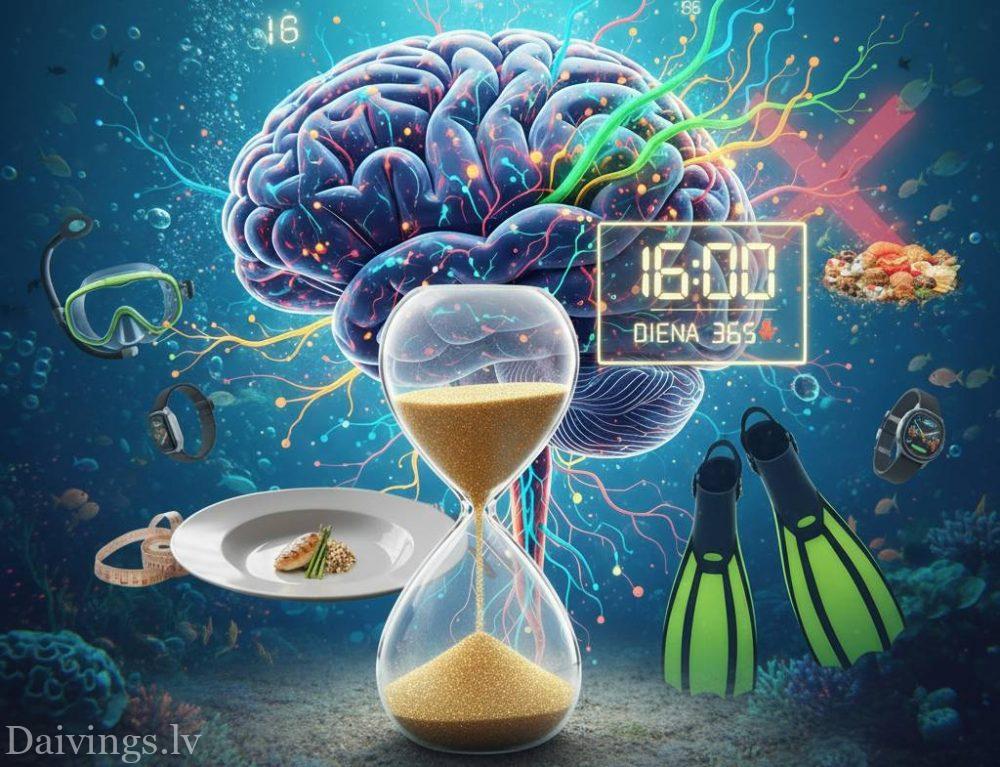
16-hour intermittent fasting (also known as the 16/8 method) is not just another diet, but a biological reset process. The body adapts quickly, changing not only weight loss but also metabolic and immune health. This article, based on explanations from a dietitian, provides a detailed guide to what transformations occur in your body over 30, 90 and 365 days.

1. The First 30 Days - Reprogramming Cravings and Moving Visceral Fat
The first 30 days are a time of adaptation, during which significant internal improvements are achieved:
- Hunger hormone (ghrelin) adaptation: Initially, you may experience hunger pangs, but they are out of habit, not an acute need for food. Over a few weeks, your hunger hormone levels adjust, reducing sugar cravings and eliminating late-night snacking.
- Visceral fat reduction: Visceral fat is the dangerous, inflammatory fat that surrounds organs (liver, pancreas, heart). Fasting lowers insulin levels, which is the only hormone that tells the body to store fat around the belly. By about the 14th hour of fasting, insulin is low enough for the body to start using this stored fat as an energy source.
- Digestive system “Vacation”: Taking a 16-hour break from eating allows the digestive system to recover. This often results in improved digestive health, reducing gas, bloating, and acid reflux.
- Energy diversion: Since the body is not spending energy digesting food, that energy is directed towards healing the body. You begin to experience improved energy levels, focus, and mental clarity.
2. By day 90 - deep cell cleansing (Autophagy)
After 90 days, the metabolism has completely switched over, and deeper healing processes begin:
- Fat loss accelerates: The metabolism begins to favor burning fat, and the body becomes “metabolically flexible” – able to burn fat effectively during fasting and sugar eating windows. This means achieving metabolic freedom, escaping “metabolic prison.”
- The beginning of autophagy: A cellular cleansing and detoxification process called autophagy is activated. This process rids the body of old, damaged cells, thereby improving skin condition, joint pain, and accelerating regeneration.
- Human Growth Hormone (HGH) Increase: Fasting causes a huge increase in natural HGH, increasing sensitivity to this hormone by as much as four to five times. HGH is an anti-aging and fat loss hormone that helps preserve muscle mass.
3. Restoring the immune system and reducing inflammation
By day 90, significant improvements are observed in immune and inflammatory markers:
- Reducing symptoms of autoimmune diseases: Fasting calms the immune system, reduces inflammatory cytokines, and reduces interference from the body's internal systems. This can reduce symptoms and flare-ups of autoimmune diseases.
- Cell replacement: The body gets rid of inflammatory and aging (senescent) cells and instead sends a signal to new cells (stem cells) to replace the damaged ones.
4. Year of 16/8 Fasting - Younger Body and Sharper Brain
After one year (365 days), the body has achieved a dramatic transformation:
- Restoring insulin sensitivity: Visceral fat around the liver and pancreas is completely reduced, which restores insulin sensitivity and prevents or helps reverse type 2 diabetes.
- Restored immune system: Regular cycles of autophagy have transformed the entire immune system, replacing old dysfunctional cells with new, stronger ones. The immune system becomes younger.
- Brain Enhancements (BDNF): Significant increases in BDNF (brain-derived neurotrophic factor), which promotes brain cell growth and repair. The brain is flooded with BDNF, which improves creativity, focus, and productivity.

5. Practical tips and frequently asked questions
Question: Will I lose muscle by fasting for 16 hours a day? Answer: No. Because fasting increases HGH levels, the body prefers to lose fat over muscle mass. It is important to distinguish between weight loss (fat + muscle) and fat loss (fat only).
Question: What can I drink during a 16-hour fast? Answer: You may drink unsweetened tea, sparkling water, and black coffee, as long as it does not contain added sweeteners or cream, which can break your fast.
Question: Will fasting slow down metabolism in the long term? Answer: No, especially if you eat enough quality, protein-rich foods during your eating window. The body increases counter-regulatory hormones that prevent your metabolism from slowing down.
Question: What does the 16/8 fasting pattern look like? Answer: It involves fasting for 16 hours and eating for 8 hours. Popular windows include eating from 12:00 to 20:00 or from 10:00 to 18:00, with two or three meals in this window, ensuring high-quality protein and nutrient intake.


