
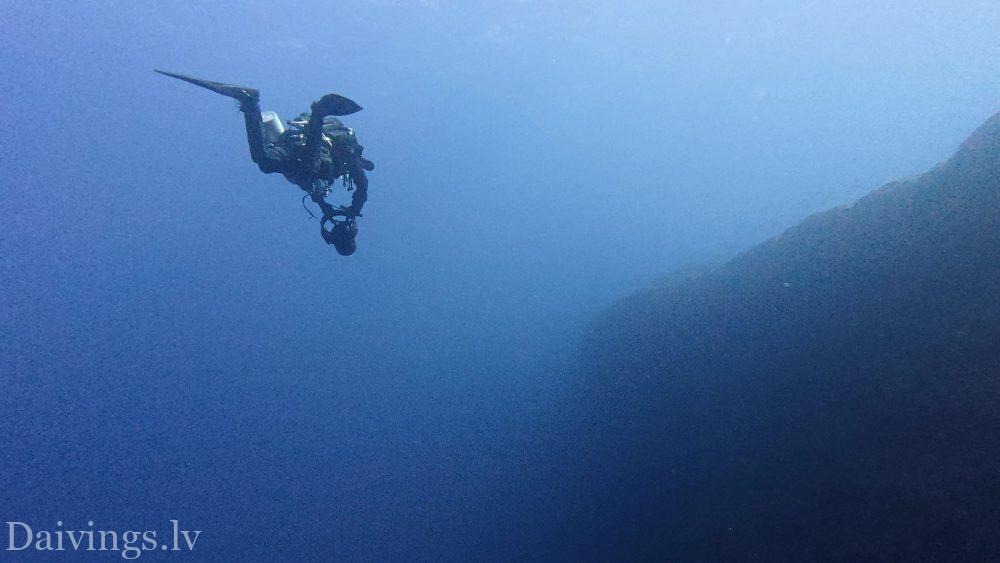
The Baltic Sea region and the inland waters of the Baltic States offer unique opportunities Technical diving, which attracts experienced divers. Technical diving is defined as diving beyond the limitations of normal recreational diving (non-stop recreational diving), which involves greater depths, longer dive times, and the use of specialized gas mixtures (e.g. Trimix, Heliox) and equipment.
Diving sites in the Baltic States
- Wreck diving in the Baltic Sea: The Baltic Sea is historically rich, and many lie beneath its surface. sunken shipwrecksThese wrecks, which are accessible to technical divers, offer a glimpse into the history of seafaring. Off the coast of Latvia, about wreck diving capital is considered Liepaja.
- Estonian wrecks and Rummu quarry: A popular technical diving site in Estonia is a minelayer. "Yenisei", which lies 47 meters deep and is an Estonian cultural monument. The Estonian Rummu quarry also offers crystal clear water and a unique underwater prison structure that is particularly attractive to photographers and videographers.
- Inland waters of Latvia: Popular dive sites include Dubkalni quarry, Saurai career and LakesideTechnical divers can also explore The Vīgante stage flooded by the Plavinas HPP In the Daugava at a depth of 8-15 meters.
JJ CCR: Advantages in technical diving
JJ CCR (Closed-Circuit Rebreather) is a closed-circuit rebreather that has become a popular piece of equipment in technical diving due to its robust construction and versatility. It is like personal gas blender underwater, which allows for effective management of breathing gas composition.
Main advantages of JJ CCR:
- Gas economy: Unlike open-cycle scuba, CCR recycles exhaled gases by removing carbon dioxide and adding oxygen, thus significantly reducing gas consumptionThis ensures longer diving time with a smaller number of balloons.
- Optimized nitrogen and oxygen levels: CCR automatically maintains constant partial pressure of oxygen (PO2) regardless of depth. This allows you to dive with reduce nitrogen absorption in the body, significantly reducing the risk of decompression sickness and allowing for more efficient decompression stops.
- Silence: The rebreather does not emit bubbles (or emits them minimally), which makes diving closer to silence and allows better interaction with marine life and conduct more sensitive research (e.g. underwater photography/video).
- Robustness and simplicity: JJ CCR is built with very robust aluminum housing, which is adaptable to the most demanding adventures. Its philosophy is based on simplicity, ensuring ease of use before, during and after diving.
- Integrated electronics: The device is equipped with modern electronics, which includes a reliable controller with integrated Shearwater multi-gas decompression computer and independent digital head-up display (HUD).

Technical diving with CCR equipment like the JJ CCR opens up new possibilities in wreck research and in discovering the depths In the Baltic Sea.
This video provides an insight into a diving expedition to a depth of 47 meters in the Baltic Sea using technical diving: Diving 47 meters deep in the Baltic Sea – YouTube.
Do you want to learn more about specific technical diving locations in Estonia or Lithuania?

Congratulations on achieving JJ CCR in diving
Congratulations to Valters Preimani on JJ CCR Helitrox Diver successful completion of the course on November 1, 2025 with instructor Jacques Bernard (reg. no.: #39*). This certificate (no.: #178*) confirms a high level of preparation and gives the opportunity to explore greater depths with a closed-cycle rebreather.


