

A fogged-up diving mask is one of the most common problems faced by both novice and experienced divers. When there is a layer of moisture on the glass, you can't see the underwater world, your dive partner, or your computer. The good news: mask fogging can almost always be prevented. All you need to do is prepare a new mask properly, apply anti-fog before each dive, and follow a few underwater habits.
In this article, Daivings.lv instructors explain why the mask sweats, how to prevent it step by step, and how to care for the mask so that it lasts a long time.
Why does a diving mask fog up?
Inside the mask is warm, moist air from your face and nose, while the glass is cooled by water from the outside. When the moist air comes into contact with the cold glass, the water vapor condenses into tiny droplets, and the glass becomes foggy. In Latvian lakes and the Baltic Sea, the water is often only +4…+18 °C, so the temperature difference is large and the mask sweats especially easily.
Droplets form more easily if there is dirt, finger grease, or a thin silicone film left over from the manufacturing process on the glass. This is why a new mask usually sweats the most.
How to prepare a new diving mask
The inside of a new mask is usually covered with a thin film of silicone and manufacturing chemicals. Until this is removed, no anti-fog product will fully help.
Cleaning with toothpaste or mask cleaner
- Apply a small amount of regular toothpaste, which is not a gel and does not contain whitening or abrasive particles, or a special mask cleaner to the inside of the glass.
- With your finger or a soft cloth, rub the entire surface of the glass for a few minutes, especially the edges near the silicone.
- Rinse thoroughly with warm water. Repeat the procedure 2-3 times.
Important: This method only works with uncoated tempered glass lenses. If your mask has tinted, anti-reflective, or other coated lenses, or if it has plastic lenses, follow the manufacturer's instructions, as rubbing can damage the coating.
Can the mask be burned with a lighter?
It is often suggested on the internet to briefly burn the inside of the glass with a lighter flame. We do not recommend this. The heat can damage the silicone gasket, coatings and adhesive in the glass frame, and many manufacturers will not honor the warranty in this case. Toothpaste or a special cleaner is a safer option.
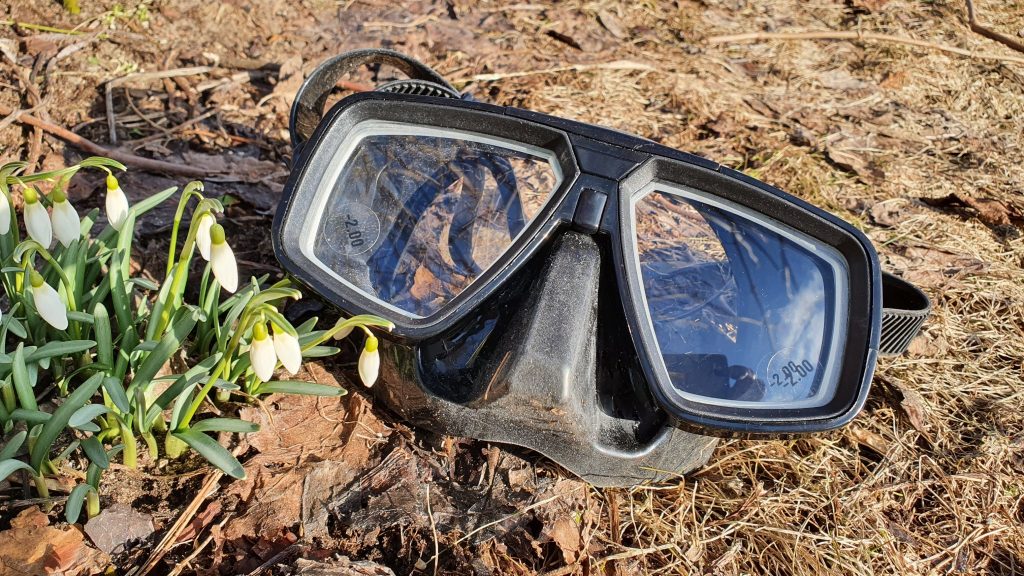
Anti-fog agents before each dive
Even a clean mask can fog up without treatment. Anti-fog spray creates a thin film on the glass, where moisture does not form droplets, but flows out in an even, transparent layer.
- Special anti-fog gel or spray. This is the most reliable option. Apply a few drops to dry glass, spread with your finger, and just rinse gently without rubbing the entire layer.
- Children's shampoo. Slightly diluted shampoo can be used in a similar way. It does not irritate the eyes if a little gets into the mask.
- Saliva. This is a classic diver technique that is useful in an emergency, but works for a shorter period of time than special products.
Apply the product just before diving. If the mask is left in the sun for an hour, the film dries out and its effect decreases.
Underwater habits that prevent sweating
Before diving
- Before applying the mask, soak it in water to cool the glass to the temperature of the water.
- Do not wear the mask on your forehead. It is warmed by the sun and your body there, and it can also fall into the water.
- Do not touch the inside of the glass with your fingers, as skin oils contribute to condensation.
During diving
- Breathe through your mouth, not your nose. Exhaling through your nose draws warm, moist air into the mask.
- Check that the mask fits your face well. If it leaks, water and moisture will get inside; hair and the strap should not be under the silicone edge.
- If the mask does fog up, pour a little water into it, rinse it against the glass, and blow it out using the mask deflating technique you learned. PADI Open Water Diver course.
Masks with anti-fog technology
If you're not prepared to prepare your mask every time, choose one that has a factory-applied anti-fog coating. This is not a substitute for proper care, but it will significantly reduce sweating:
- Cressi A1 AntiFog: single lens, wide field of view and anti-fog coating on the inside of the glass.
- Seac Pura Antifog: compact, comfortable mask with anti-fog treatment.
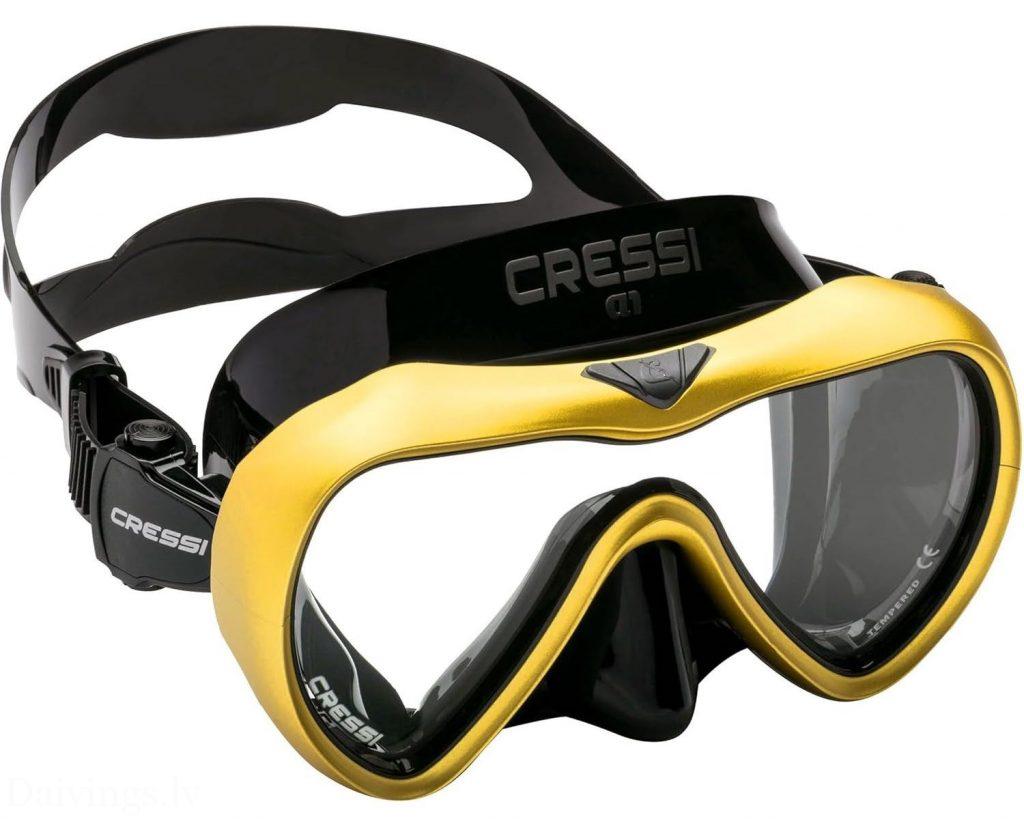
The inside of the glass of such a mask should not be rubbed with toothpaste or other abrasives, as this will damage the coating. Clean it only with water and products recommended by the manufacturer. Read more about choosing a mask in the article How to choose the right diving mask.
Mask care after diving
- Rinse your mask in fresh water after each dive, especially in the sea or pool.
- Dry in the shade. The sun's UV rays make silicone yellow and brittle.
- Store the mask in a hard case to prevent the glass from being scratched and the silicone rim from deforming.
- Do not store the mask compressed between other equipment or next to black neoprene, which can stain transparent silicone.
- Check the strap and buckles from time to time. A torn strap most often breaks right before a dive.
Most common mistakes
- A new mask is not cleaned before the first dive.
- Anti-fog agent is applied to wet glass or rinsed off completely.
- The mask is worn on the forehead or left in the sun before diving.
- Abrasives are used on masks with coated lenses.
- Exhale through the nose while diving.
Assistance in selecting and fitting masks
A properly fitted mask sweats less because it fits your face well and prevents water from getting in. Daivings.lv instructors will help you find the right model for your face shape and show you how to prepare it for your first dive. Take a look diving mask offer in store or contact us by phone 220-77-202.