
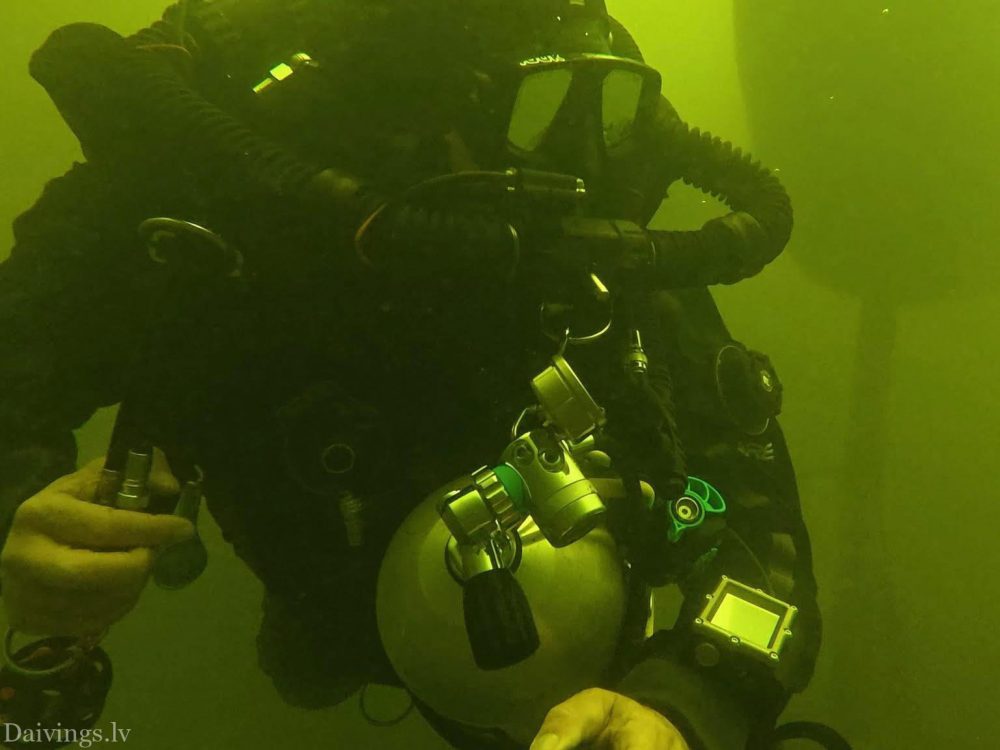
Choosing a drysuit for Latvian conditions is not easy – the water temperature at depth rarely exceeds 6°CBased on discussions and technical parameters from experienced divers, we look at how not to get confused in the offer.
Trilaminate vs. Neoprene, Technical Choice
Neoprene suits (Scubapro, Cressi, O'Three)
- Heat: The material itself provides insulation. Even if the suit is damaged and water gets inside, the neoprene continues to act as a “wetsuit”, retaining body heat.
- Buoyancy: Compressed neoprene is dense, but it still changes buoyancy slightly depending on depth.
- Who is suitable for: For divers who get cold and those who dive in harsh, abrasive conditions (wrecks, quarries).
Trilaminate suits (Diverite, Santi, Bare, Sopras Sub)
- Weight and mobility: They are lighter and do not restrict movement. Ideal for travel and technical diving.
- Heat: The suit is just a “shell.” If it gets wet, the warmth disappears almost instantly, as the underwear loses its properties.
- Who is suitable for: For active divers who want to regulate their own heat with different thicknesses of underwear.
Manufacturer Overview: From Budget to Premium
| Category | Brands | Characteristics |
| Budget | Sopras Sub, Cressi | A great choice for a first outfit. Cressi Drylastic offers superior neoprene flexibility at an affordable price. |
| Average | Bare, Scubapro | "Workhorses". Bare Aqua Trek 1 is very resistant to abrasion (Cordura), while Scubapro Exodry is a classic, reliable neoprene solution. |
| Premium | Santi, Fourth Element | Santi E.Motion is the benchmark for lightness and comfort. Fourth Element stands out for its scientific approach to material layering and excellent design. |
Expert opinion: Valters Preimanis (Drysuit instructor)
Latvia's leading diving instructor Valters Preimanis emphasizes that choosing an outfit is only half the battle.
“A drysuit is not just clothing, it is your buoyancy control system and life support in cold water. In Latvian conditions, where the thermokeel is harsh, I recommend paying attention to two things: cufflink service and underwear.
If you choose trilaminate, don't skimp on underwear – it should be one that wicks moisture (sweat) away from the skin. If you choose neoprene, remember that it will require more weight on the belt. And most importantly – regardless of the price of the suit, learn to handle it Drysuit course"The emergency situation when the suit slips or the legs rise up must be practiced until automatic."
What to do if the suit leaks?
- In trilaminate: The situation is critical. Stop diving immediately. Without active heating (electric vests), the body will cool down rapidly.
- Neoprene: You'll be wet and uncomfortable, but you have more time. The neoprene doesn't allow water to circulate freely, so your body can warm it up a bit.
Conclusion
If your goal is maximum warmth and safety against leaks in Latvian waters – choose compressed neoprene suitIf you plan to develop in technical diving and often fly abroad – your needs will be better met trilaminate with quality layered underwear.
More information and registration Dry Suit Diver courses: daivings.lv


