
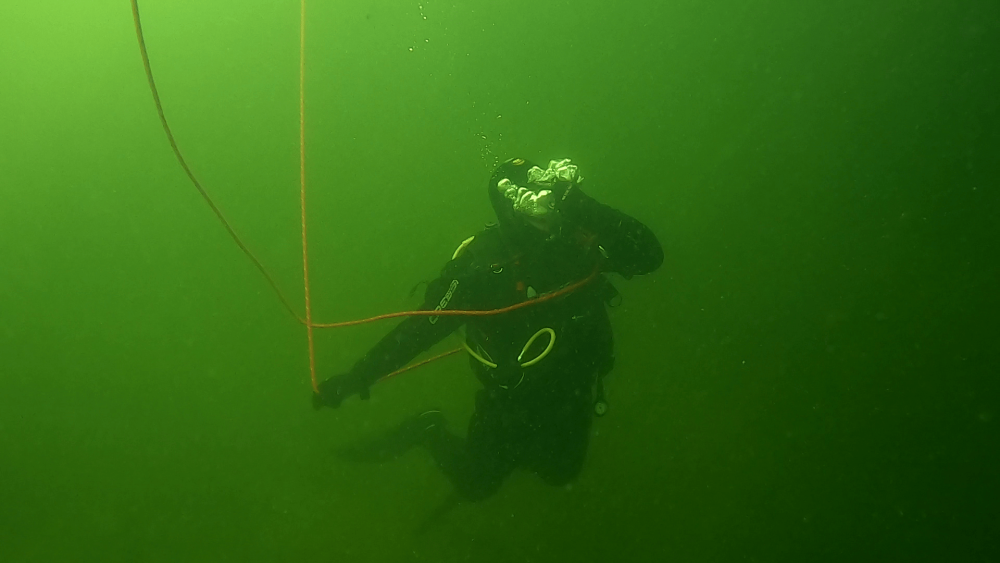
The world of diving changes in winter. When most water sports enthusiasts opt for a warm tea and a soft sofa, we – underwater explorers – put on our wetsuits. It’s not just cold under the ice; it’s another world. A world of absolute silence, peace and challenges that test both technique and character.
Rescue operations, mission in -17°C
Imagine the scene: the air is chilly, the thermometer has dropped to -17°C, and the lake is covered in a thick, half-meter-deep blanket of ice. Down there, five meters below this freeze, a “treasure” lay dormant at the bottom of the lake – a lost iPhone. It stored not just data, but a family’s most precious memories.
Many said: “It’s too dangerous,” or “The water is too cloudy.” But we didn't hesitate.
- Preparation: Every detail is important – regulators that don't freeze, safety ropes, and precise team cooperation.
- Under the ice: After 30 tense minutes, the long-awaited signal sounded in the dark depths, the rope was pulled 3 times.
- The result: A miracle happened! The phone was returned to its owners, proving that even in the harshest winter, no treasure is lost if the team doesn't give up.
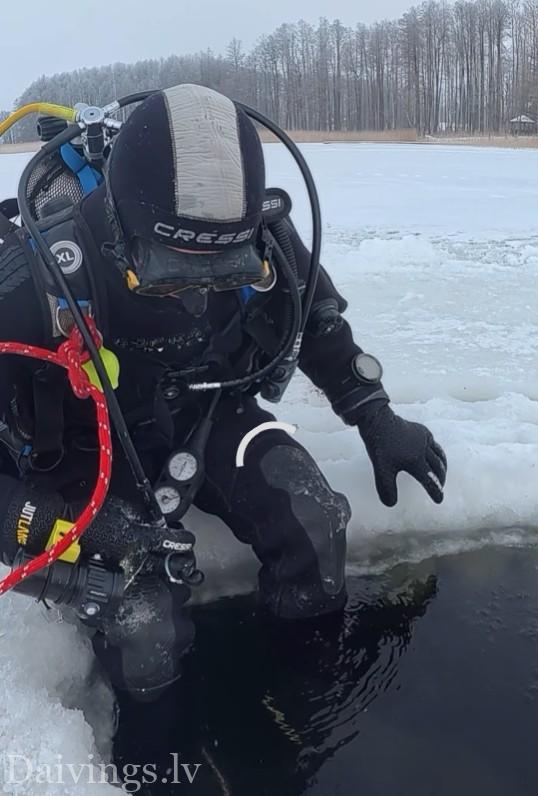
We dive in when others say “no” because every story deserves a happy ending.
The importance and preparation of ice diving
Ice diving is not just adrenaline. It is the highest level of piloting in diving disciplines. It teaches:
- Psychological resilience: Working in an overhead environment requires iron willpower.
- Equipment knowledge: You have to trust your technique for the 200%.
- Teamwork: The diver on the ice surface is just as important as the one below it.
Cleaning the Baltic Sea with “ghost nets”
Our mission does not end with searching for lost things in lakes. A bigger and tougher challenge awaits us in the Baltic Sea. These are “ghost networks” (ghost nets) – abandoned or lost fishing gear that continues to kill fish, seals and birds for decades.
During recent expeditions, we have pulled hundreds of meters of this deadly weed from the depths of the Baltic Sea. It is hard, physical work that requires precision and endurance, but the satisfaction of having cleaned the seabed is indescribable.
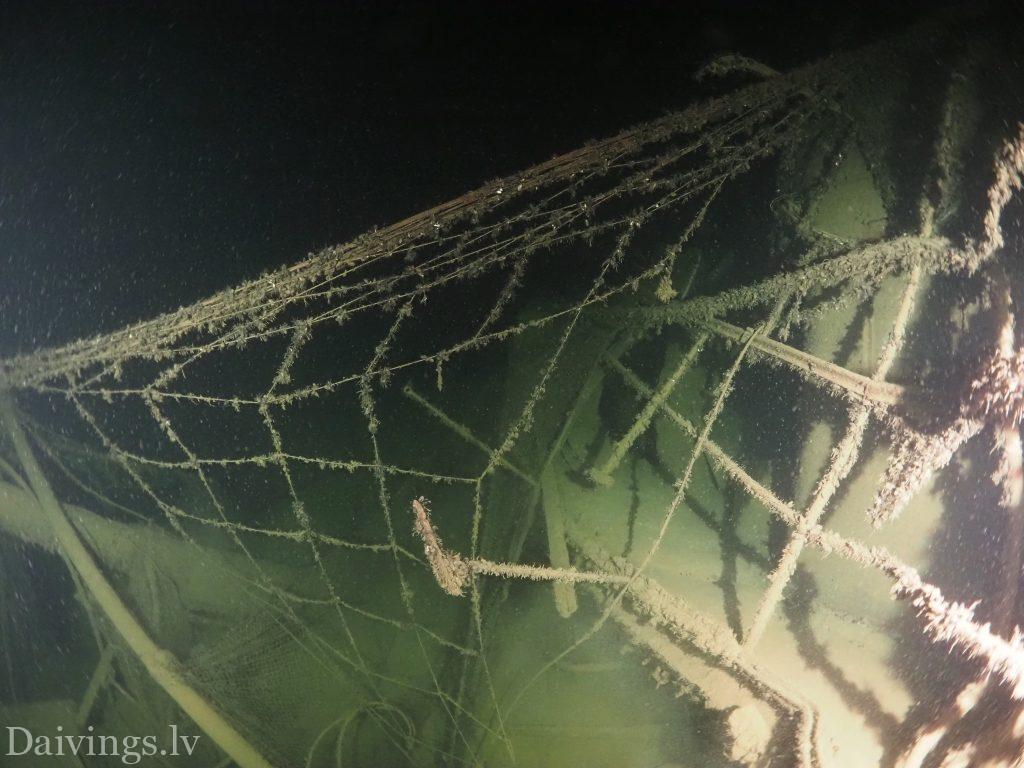
“Ghost nets are not just trash; they are invisible traps that degrade our fragile ecosystem. By pulling out every net, we give the sea a chance to breathe.”
Join us!
Are you ready to push your limits and become part of a team that isn't afraid of the cold? Ice diving and participating in environmental cleanup projects are the best ways to hone your skills.


