



Description
We understand how difficult and painful it is to search for a missing loved one. We express our deepest condolences if you have found yourself in this situation.
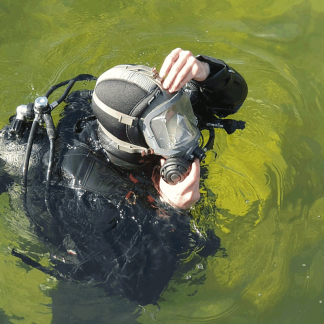
Our team, consisting of former employees of the State Fire and Rescue Service (SFS) with many years of experience, offers professional search work in water bodies. We ourselves have worked in the SFS, participated in many search operations and successfully found what we were looking for. Our experience allows us to effectively organize and carry out search work, as well as ensuring the necessary communication with the State Fire and Rescue Service (SFS) and other structures of the Ministry of the Interior. If the search is successful, we ensure the correct transfer of the found persons or objects to the responsible services, informing about the exact location.
We can organize:
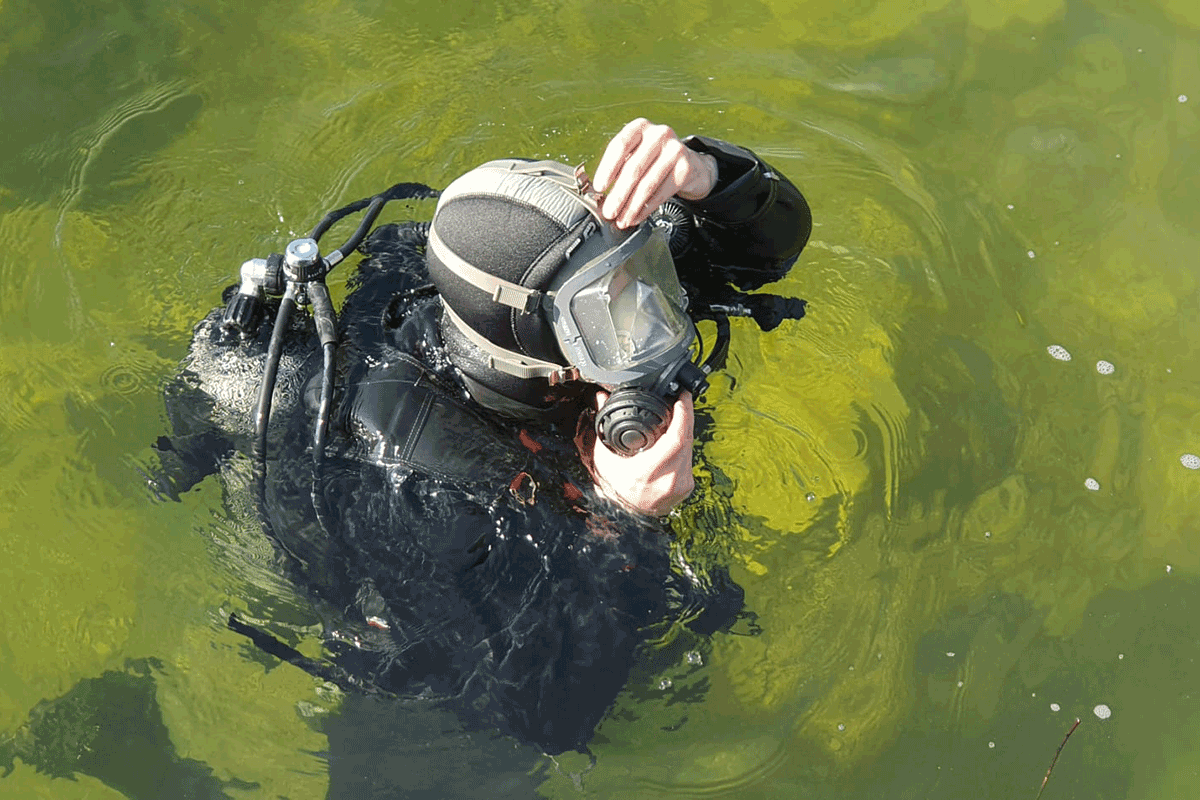
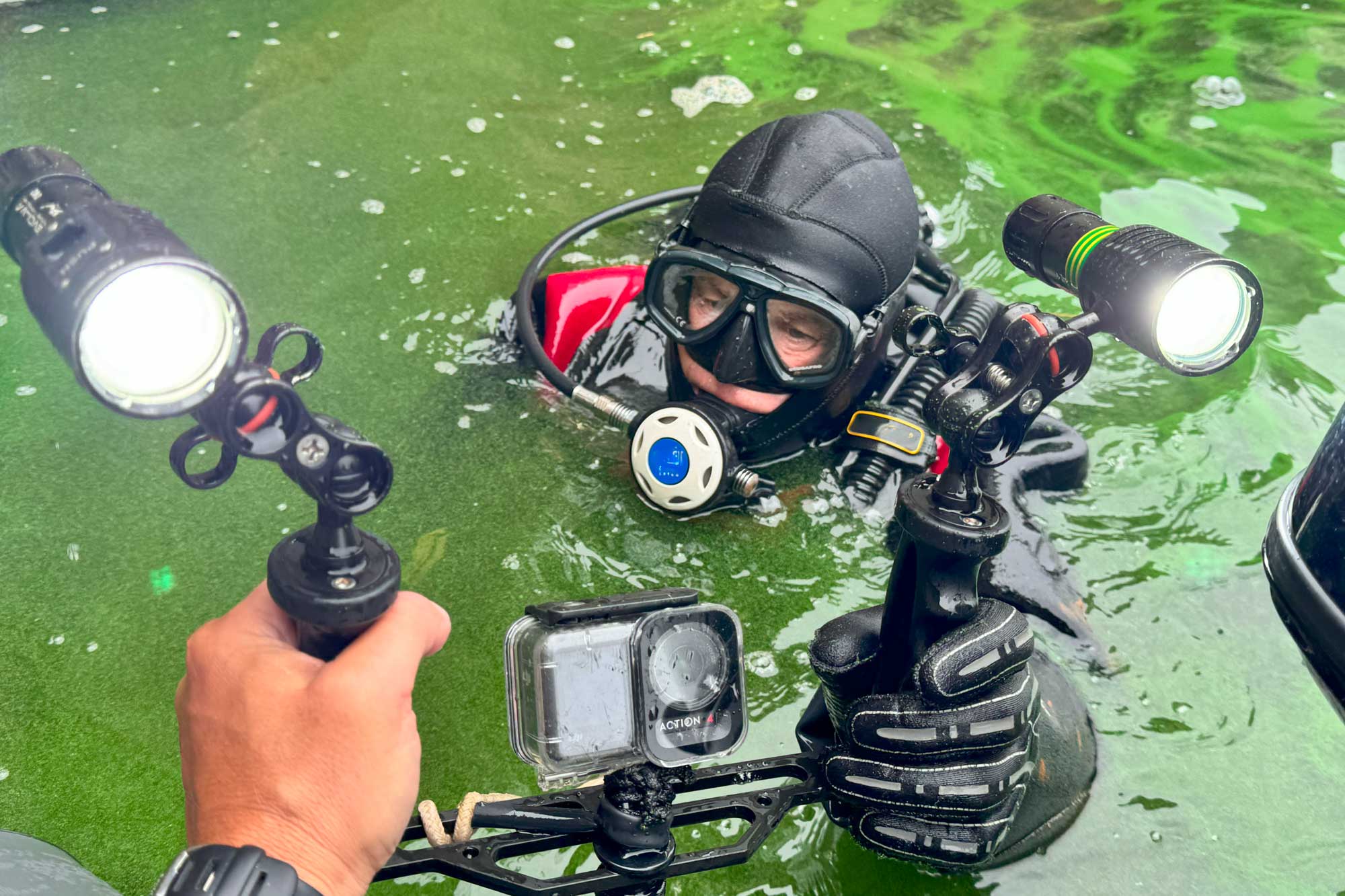
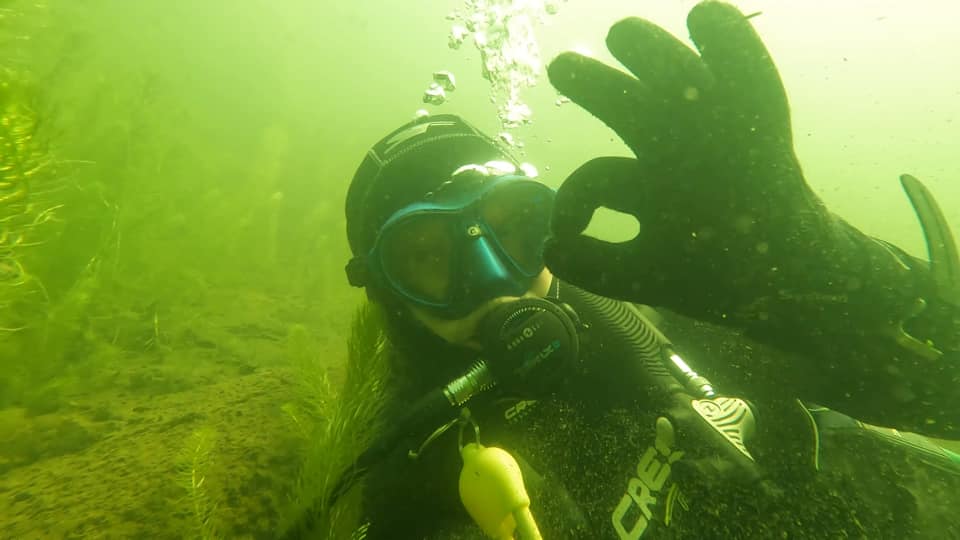
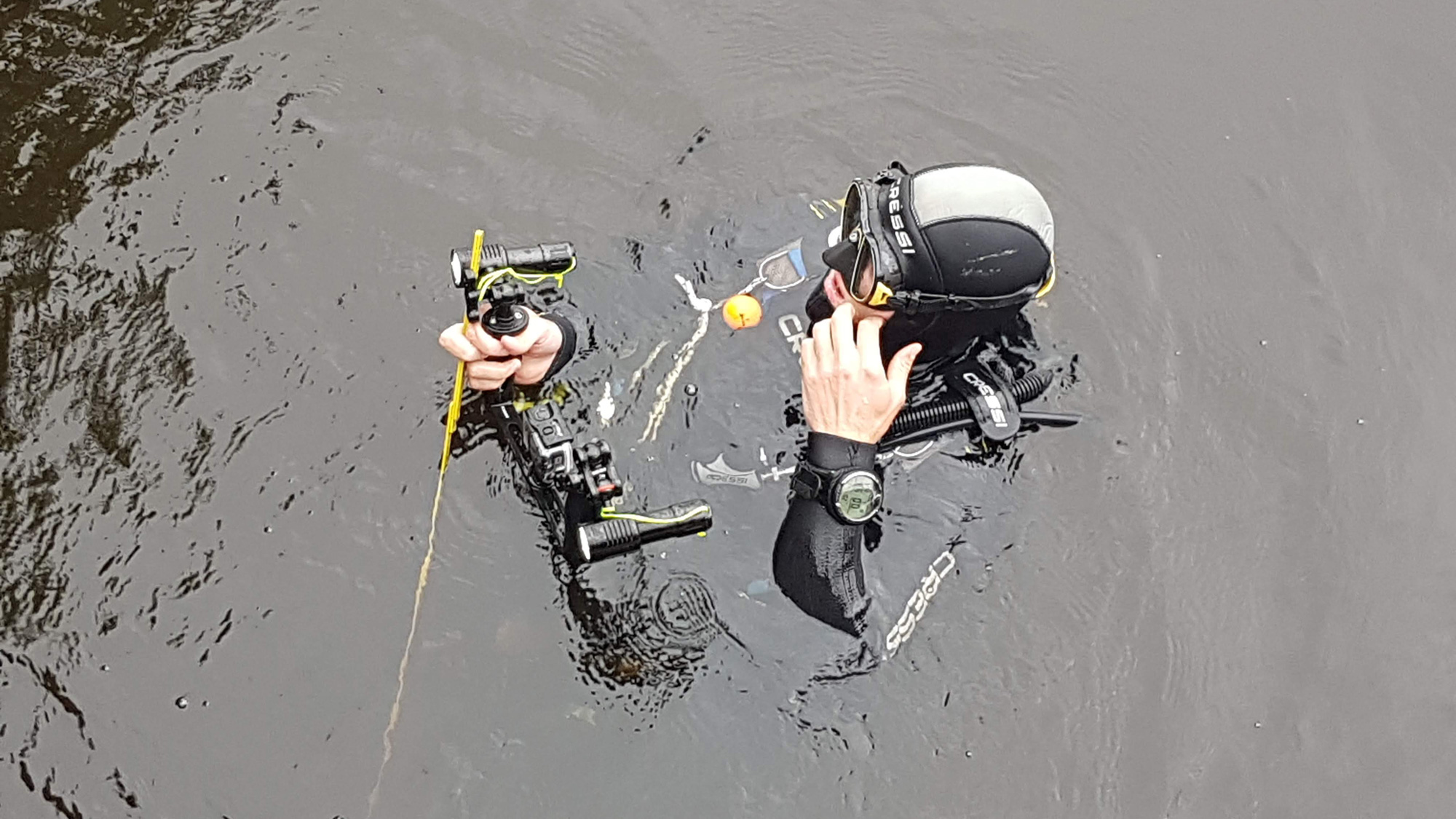
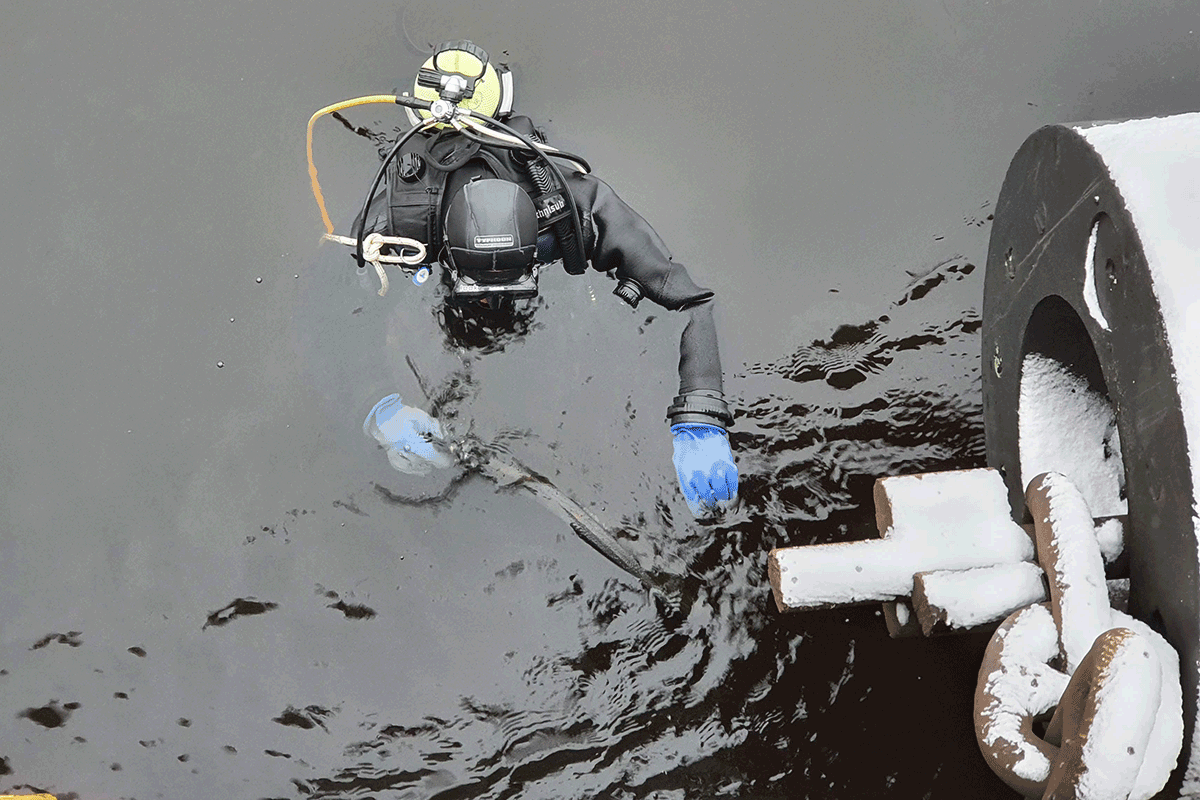
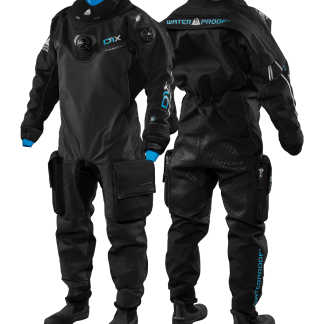
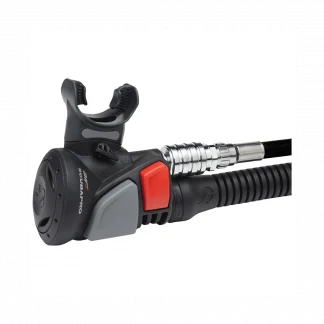
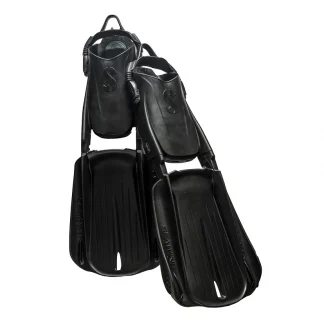
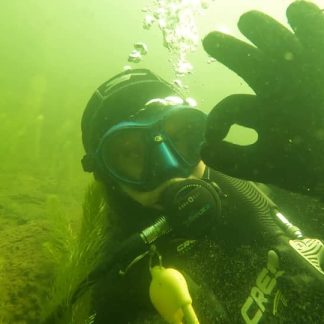
- Search jobs for professional rescue divers: Our experienced divers conduct a thorough underwater search of designated areas.
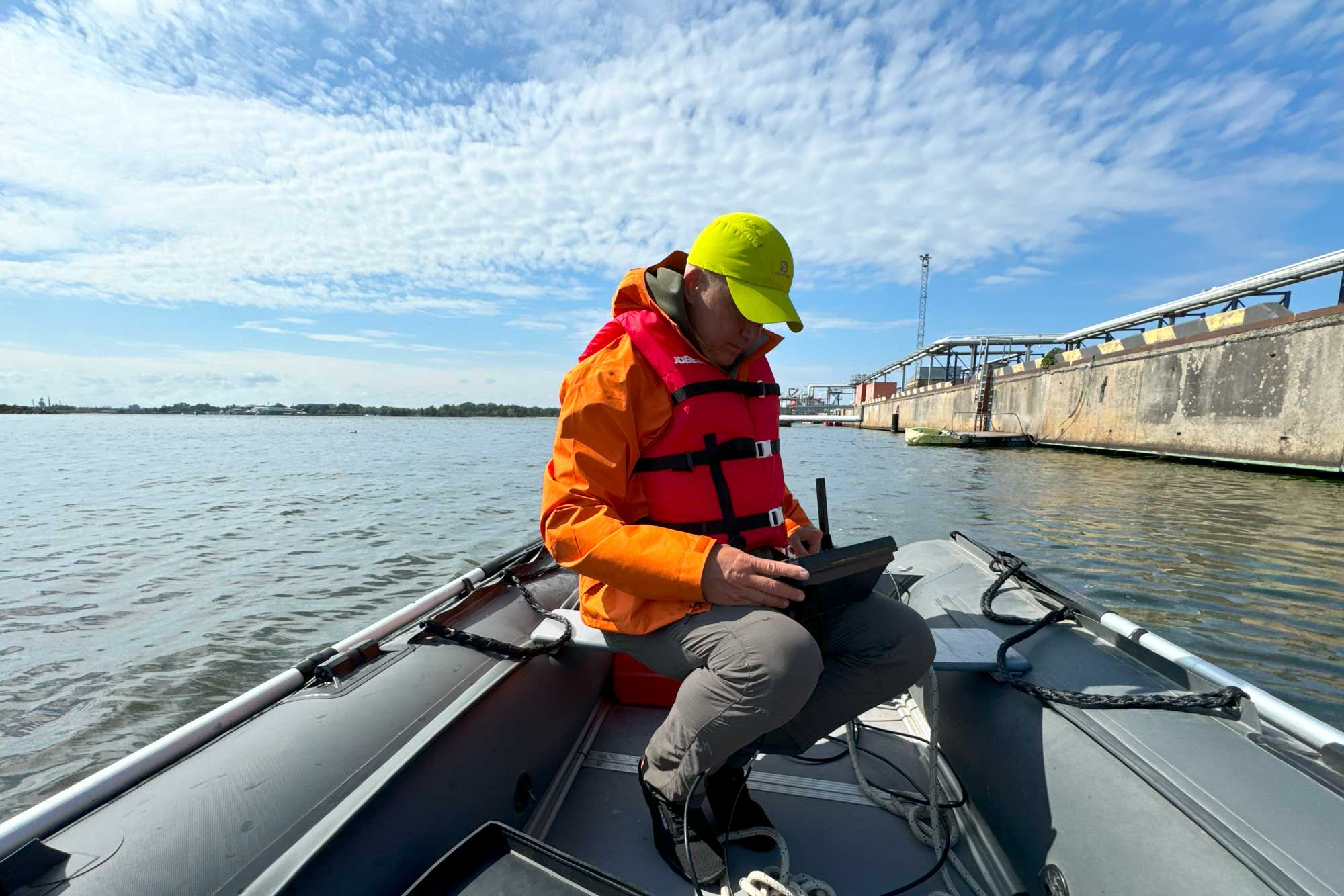
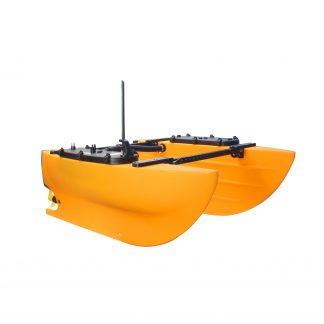
- Search from motorboats with side-scan sonar: We use modern technology that allows us to effectively search larger areas of water and identify objects on the bed.
Cost:
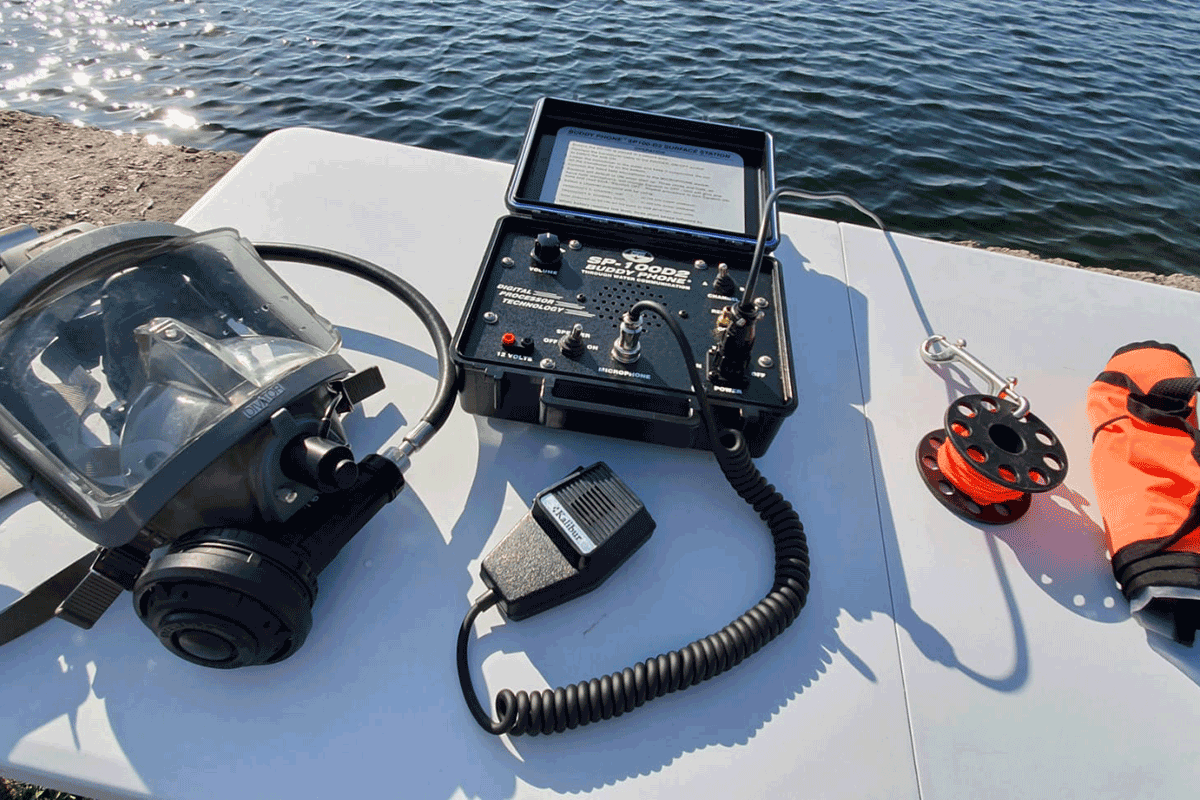
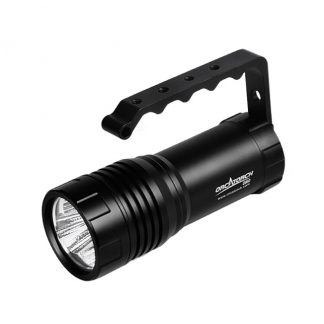
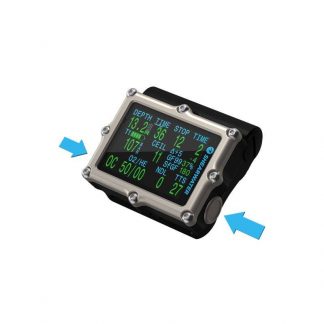
The team's work costs are determined for a full working day (800-1200 Eur). The price includes the rental of specialized equipment (including sonar and diving equipment), fuel costs for the motorboat and transport, as well as compensation for the team for their work and time in carrying out this dangerous and responsible task.
If you need assistance, please contact us to discuss the situation and possible solutions.
Tips for staying safe on the water to avoid accidents
- Always wear a life jacket: No matter how good a swimmer you are or how close to shore you are, a life jacket is the most important safety item. Falling into water unexpectedly (especially cold water) can be dangerous, even for an experienced swimmer. Make sure your jacket is the right size and in good condition.
- Check the weather forecast: Before and during your fishing trip, keep an eye on the weather. Sudden storms, strong winds, or fog can create very dangerous situations on the water. If the forecast is bad, it's best to stay on shore.
- Inform someone about your plans: Always tell your family or friends which body of water you are going to, your approximate route, and when you plan to return. This is important so that they can find you if necessary.
- Make sure of the boat's technical condition and equipment: If using a boat, check that it is not damaged and that the engine/oars are in working order. Do not overload the boat with people or belongings. Make sure that you have the required equipment (e.g., water pump, anchor, rope). Move carefully in the boat to avoid losing your balance.
- Do not use alcohol or intoxicating substances: Fishing and alcohol are incompatible. It reduces reaction time, sense of balance, judgment, and increases the risk of drowning or making other dangerous mistakes.
- Be careful and know your surroundings: Pay attention to other water users (boats, speedboats, swimmers). Watch out for underwater obstacles – rocks, fallen trees, nets. If possible, familiarize yourself with a map or the characteristics of the body of water.
- Provide means of communication: Bring a fully charged cell phone in a waterproof case. If you are going further from the coast or to larger bodies of water, consider using a walkie-talkie (VHF).
- Don't overestimate your swimming abilities: Even for a good swimmer, cold water, currents, waves, or heavy fishing gear can become a serious obstacle. The key is a life jacket.
- Consider the dangers of cold water: In Latvia, the water is cool or cold most of the year (even now, in May). Falling into cold water can very quickly cause cold shock and hypothermia (cooling of the body), which is life-threatening. Dress appropriately for the weather.
- Safety when wading in water: If you are fishing from the shore, be extra careful when wading into the water (e.g. with waders). Check the stability of the bed, watch out for holes and currents. You can use a fishing rod or a special stick for stability.
Remember that safety always comes first! Have a pleasant and safe time on the water!


 Latvian
  English
  Russian
  Lithuanian
  Estonian