

Description
AIS and VHF Radio Installation Description
When installing communication and identification equipment for a dive boat, the main focus is on reliability and visibilityShipping often occurs near shipping lanes or on the high seas, where prompt communication with the coast guard or other vessels is critical.
1. System Components
-
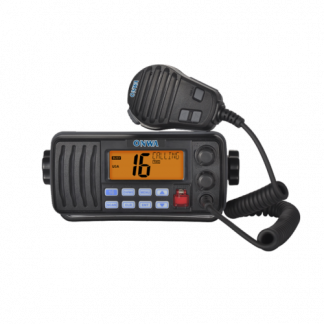
VHF Radio with DSC: Stationary radio with Digital Selective Calling (DSC). The SOS button automatically sends a distress signal with your coordinates.
-
AIS Transponder (Class B): A device that not only sees other vessels, but also transmits your boat's position, speed, and status ("Diving Works").
-
Antennas: Two separate antennas (VHF and AIS) or one powerful antenna with a signal splitter are required.
-
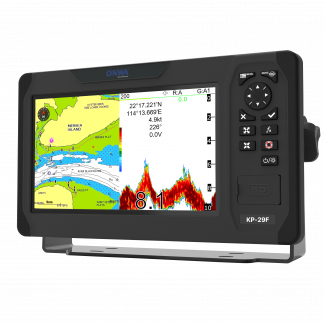
GPS receiver: Required for AIS operation to accurately determine the boat's location.
2. Installation Process
-
Planning: Placing antennas as high as possible (on a mast or on a roof) to ensure maximum reception radius.
-
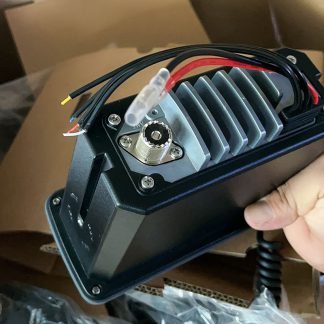
Assembly: Installation of the radio and AIS unit at the helm, providing protection against direct water splashes.
-
Cable pulling: Using quality RG-58 or RG-213 coaxial cables to minimize signal loss.
-
Configuration: Entering the MMSI number (unique vessel identifier) into the devices.
Important: MMSI numbers in Latvia are assigned by VAS “Electronic Communications”.
Cost Estimate (Forecast)
Costs depend on the brand chosen (e.g. Garmin, Raymarine, Icom). Here are the market prices for top-class equipment with professional installation.
Position Description VHF Radio Stationary radio with DSC and GPS AIS Transponder Class B (SOTDMA – more powerful) Antennas and mounts 2x fiberglass antennas + cables Antenna splitter If using one antenna (Active Splitter) Installation work Assembly, soldering, programming Registration State fee and MMSI receipt TOTAL Maximum full service package

 Latvian
  English
  Russian
  Lithuanian
  Estonian